min $250,000 (no max)
The Community Investment Fund 2030 (CIF) will foster economic development in historically underserved communities across Connecticut. CIF will provide a total of up to $875 million to eligible municipalities as well as not-for-profit organizations and community development corporations that operate within them.
min $250,000 (no max)
The Community Investment Fund 2030 (CIF) will foster economic development in historically underserved communities across Connecticut. CIF will provide a total of up to $875 million to eligible municipalities as well as not-for-profit organizations and community development corporations that operate within them.
up to $200,000
The Trees for Communities Grant Program supports urban forestry projects that will increase tree cover or contribute to other urban forestry objectives such as improvement of forest health or utilization of urban wood in communities of need. Recent awardee projects can be found here: Urban and Community Forestry Grant Accomplishments.
up to $200,000
The Trees for Communities Grant Program supports urban forestry projects that will increase tree cover or contribute to other urban forestry objectives such as improvement of forest health or utilization of urban wood in communities of need. Recent awardee projects can be found here: Urban and Community Forestry Grant Accomplishments.
Training
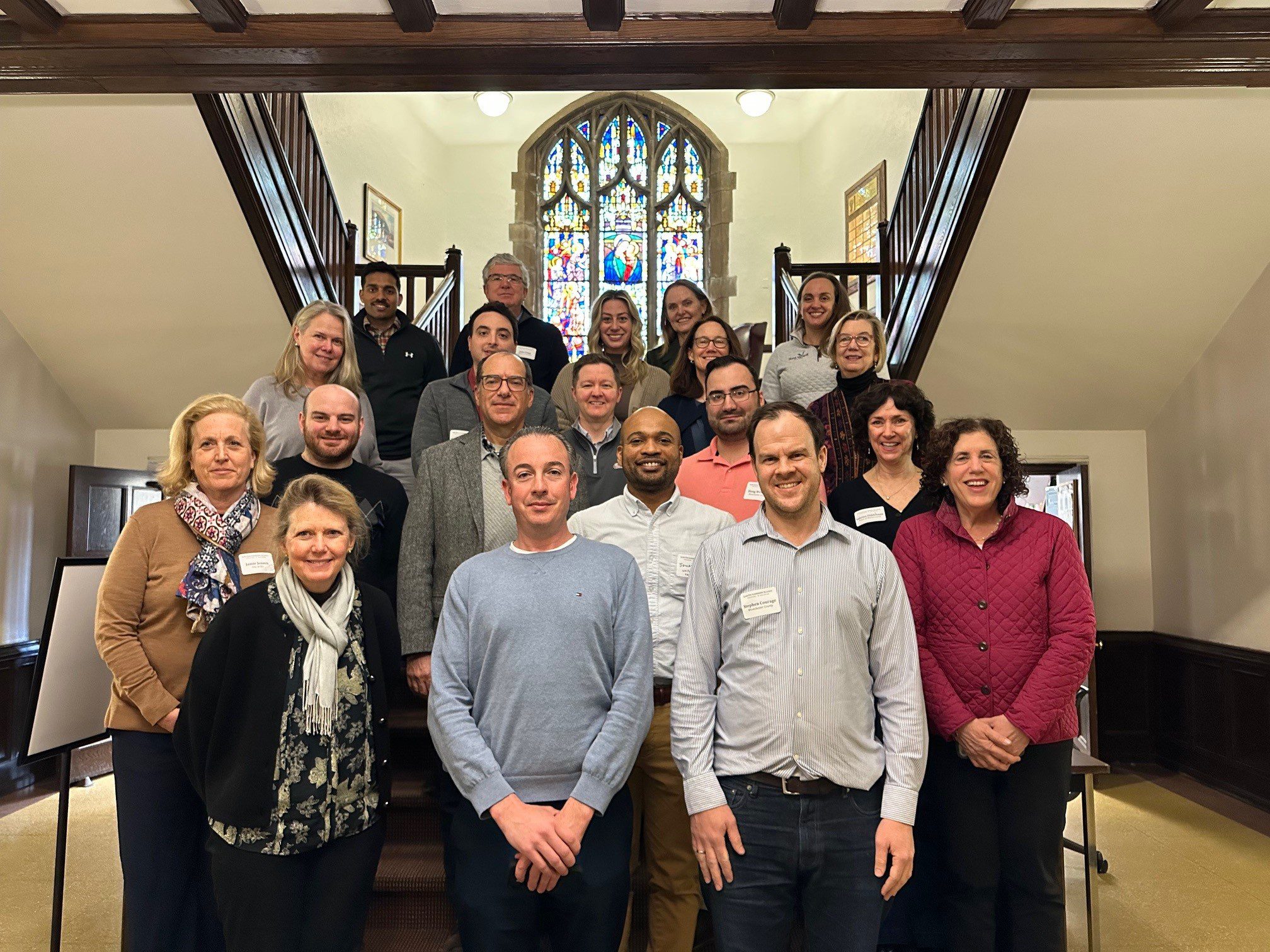
With funding from Long Island Sound Study and support from New York Sea Grant’s Sustainable and Resilient Communities Extension Professionals, Pace University’s Land Use Law Center brought its award-winning Land Use Leadership Alliance Training Program to Westchester municipalities within the Long Island Sound watershed. The training consisted of three full-day workshops held April 1, 8, and 22, 2025 in White Plains, NY to train local leaders on developing balanced strategies for effectively accomplishing policy objectives, particularly focused on land use, flood resilience, and natural resource protection to strengthen community planning and informed decision-making.
22 municipal staff and community leaders, representing 7 different Long Island Sound communities received resilience gap analyses that reviewed their municipality’s current zoning and comprehensive plan language, discussed common issues with their neighbors and built new networks of support, and graduated from the program empowered to plan for a more resilient future for their community and the Long Island Sound region.
If you are interested in learning more and participating in a future LULA training, please email lisresilience@gmail.com.
Training
With funding from Long Island Sound Study and support from New York Sea Grant’s Sustainable and Resilient Communities Extension Professionals, Pace University’s Land Use Law Center brought its award-winning Land Use Leadership Alliance Training Program to Westchester municipalities within the Long Island Sound watershed. The training consisted of three full-day workshops held April 1, 8, and 22, 2025 in White Plains, NY to train local leaders on developing balanced strategies for effectively accomplishing policy objectives, particularly focused on land use, flood resilience, and natural resource protection to strengthen community planning and informed decision-making.
22 municipal staff and community leaders, representing 7 different Long Island Sound communities received resilience gap analyses that reviewed their municipality’s current zoning and comprehensive plan language, discussed common issues with their neighbors and built new networks of support, and graduated from the program empowered to plan for a more resilient future for their community and the Long Island Sound region.
If you are interested in learning more and participating in a future LULA training, please email lisresilience@gmail.com.
Case Study
Old Saybrook, CT
With support from the Long Island Sound Resilience Grant Writing Assistance Program, in December 2024 the Town of Old Saybrook was awarded $323,400 from the Long Island Sound Futures Fund to support the project: Planning to Restore Chalker and Chapman Beach Marshes and Mitigate Marsh-Associated Flooding (CT).
The project will conduct a feasibility analysis for restoring the degraded Chalker Beach Marsh and mitigate erosion of Cold Spring Brook marsh, examine potential residential neighborhood flood mitigation strategies and evaluate alternative concepts to restore the Cold Spring Brook marsh. Project will provide Chalker Beach marsh restoration plan and design alternatives, concept-level neighborhood-scale flood mitigation strategies and a concept-level Cold Spring Brook marsh erosion control/restoration practices.
LIS Resilience Grant Writing Assistance Program Details:
Grant Writing Consultant: David Kozak
Grant Writing Assistance Award: $6,375
Christina M. Costa, CZEO, CFM, Zoning Enforcement Officer/Town Planner, Town of Old Saybrook, Chris.Costa@OldSaybrookCT.gov
Case Study
Old Saybrook, CT
With support from the Long Island Sound Resilience Grant Writing Assistance Program, in December 2024 the Town of Old Saybrook was awarded $323,400 from the Long Island Sound Futures Fund to support the project: Planning to Restore Chalker and Chapman Beach Marshes and Mitigate Marsh-Associated Flooding (CT).
The project will conduct a feasibility analysis for restoring the degraded Chalker Beach Marsh and mitigate erosion of Cold Spring Brook marsh, examine potential residential neighborhood flood mitigation strategies and evaluate alternative concepts to restore the Cold Spring Brook marsh. Project will provide Chalker Beach marsh restoration plan and design alternatives, concept-level neighborhood-scale flood mitigation strategies and a concept-level Cold Spring Brook marsh erosion control/restoration practices.
LIS Resilience Grant Writing Assistance Program Details:
Grant Writing Consultant: David Kozak
Grant Writing Assistance Award: $6,375
Case Study
Mystic, CT
With support from the Long Island Sound Resilience Grant Writing Assistance Program, in December 2024 the Alliance for the Mystic River Watershed was awarded $419,900 from the Long Island Sound Futures Fund to support the project: Developing a Mystic River Watershed Resilience Action Plan Using Equitable Community Engagement, CT.
The project will launch a robust engagement effort and planning process throughout four municipalities and two Tribal Nations within Mystic, Connecticut, in order to initiate efforts to improve the watershed health along the 30.6-square-mile Mystic River Watershed. The project will develop a community- and stakeholder-supported EPA Nine Element watershed-based plan, which will strive to address water quality impairments, community inequities and resilience challenges in the watershed.
LIS Resilience Grant Writing Assistance Program Details:
Grant Writing Consultant: Resilient Land and Water, LLC.
Grant Writing Assistance Award: $9,950

Maggie Favretti, President & Chair Board of Directors, Alliance for the Mystic River Watershed, info@alliancemrw.org
Case Study
Mystic, CT
With support from the Long Island Sound Resilience Grant Writing Assistance Program, in December 2024 the Alliance for the Mystic River Watershed was awarded $419,900 from the Long Island Sound Futures Fund to support the project: Developing a Mystic River Watershed Resilience Action Plan Using Equitable Community Engagement, CT.
The project will launch a robust engagement effort and planning process throughout four municipalities and two Tribal Nations within Mystic, Connecticut, in order to initiate efforts to improve the watershed health along the 30.6-square-mile Mystic River Watershed. The project will develop a community- and stakeholder-supported EPA Nine Element watershed-based plan, which will strive to address water quality impairments, community inequities and resilience challenges in the watershed.
LIS Resilience Grant Writing Assistance Program Details:
Grant Writing Consultant: Resilient Land and Water, LLC.
Grant Writing Assistance Award: $9,950
Funding
: May 19 – Jul 31, 2025
The NYS Department of State (NYSDOS) is soliciting applications from eligible towns, villages, cities, counties, regional planning entities and not-for-profit organizations to support the creation, or modification of comprehensive plans, area plans, or zoning codes to align with smart growth principals.
Funding
: May 19 – Jul 31, 2025
The NYS Department of State (NYSDOS) is soliciting applications from eligible towns, villages, cities, counties, regional planning entities and not-for-profit organizations to support the creation, or modification of comprehensive plans, area plans, or zoning codes to align with smart growth principals.
Events
The Long Island Sound Study will host a series of public meetings to discuss and finalize the Stewardship Strategy. The Strategy aims to provide a framework in support of the 33 Stewardship Areas of the Initiative. The draft of the Strategy will be shared for public comment March 10 – May 9. View the Draft Strategy here. Comments can be submitted to Cayla Sullivan at Sullivan.Cayla@epa.gov.
The last meeting in the series will be held on June 4th 11 am – 1 pm and will summarize the input and ideas for advancing the Stewardship Strategy!
Events
The Long Island Sound Study will host a series of public meetings to discuss and finalize the Stewardship Strategy. The Strategy aims to provide a framework in support of the 33 Stewardship Areas of the Initiative. The draft of the Strategy will be shared for public comment March 10 – May 9. View the Draft Strategy here. Comments can be submitted to Cayla Sullivan at Sullivan.Cayla@epa.gov.
The last meeting in the series will be held on June 4th 11 am – 1 pm and will summarize the input and ideas for advancing the Stewardship Strategy!
Report
Level of Effort:
This study by the Regional Plan Association assessed how flooding will threaten housing in Long Island, NYC, and Westchester County in the coming decades. It found that by 2040 as many as 1.6 million people could live in areas exposed to flooding and as many as 82,000 housing units could be lost, exacerbating housing shortages. The report includes recommendations for an integrated approach to land use planning and policy initiatives to create resilient communities.
Report
Level of Effort:
This study by the Regional Plan Association assessed how flooding will threaten housing in Long Island, NYC, and Westchester County in the coming decades. It found that by 2040 as many as 1.6 million people could live in areas exposed to flooding and as many as 82,000 housing units could be lost, exacerbating housing shortages. The report includes recommendations for an integrated approach to land use planning and policy initiatives to create resilient communities.
Events
The 2nd Annual Learning Exchange will bring together current and new grant recipients to highlight completed projects benefiting the Long Island Sound estuary. Organizations will share their work, challenges, and successes via breakout sessions. Attendees will also have opportunities to participate in workshops, network, strengthen ties, and build community. This annual event aims to be a knowledge and tech share of projects within a collaborative framework.
The Target Audience includes:
Events
The 2nd Annual Learning Exchange will bring together current and new grant recipients to highlight completed projects benefiting the Long Island Sound estuary. Organizations will share their work, challenges, and successes via breakout sessions. Attendees will also have opportunities to participate in workshops, network, strengthen ties, and build community. This annual event aims to be a knowledge and tech share of projects within a collaborative framework.
The Target Audience includes:
Funding
: Apr 28 – Jun 5, 2025
min $250,000 (no max)
The Community Investment Fund 2030 (CIF) will foster economic development in historically underserved communities across Connecticut. CIF will provide a total of up to $875 million to eligible municipalities as well as not-for-profit organizations and community development corporations that operate within them.
Funding
: Apr 28 – Jun 5, 2025
min $250,000 (no max)
The Community Investment Fund 2030 (CIF) will foster economic development in historically underserved communities across Connecticut. CIF will provide a total of up to $875 million to eligible municipalities as well as not-for-profit organizations and community development corporations that operate within them.
Funding
: Dec 13 – May 12, 2025
$75,000-$2M
$20 million in funding is available under the Bipartisan Infrastructure Law for projects that will advance the coastal habitat restoration and climate resilience priorities of tribes and underserved communities. Through this funding, NOAA will help support community-driven habitat restoration and build the capacity of tribes and underserved communities to more fully participate in restoration activities.
Funding
: Dec 13 – May 12, 2025
$75,000-$2M
$20 million in funding is available under the Bipartisan Infrastructure Law for projects that will advance the coastal habitat restoration and climate resilience priorities of tribes and underserved communities. Through this funding, NOAA will help support community-driven habitat restoration and build the capacity of tribes and underserved communities to more fully participate in restoration activities.
Funding
: Jul 13 – Apr 11, 2025
Up to $50,000
Municipalities in the Mid-Hudson, Long Island or New York City with median household income equal to or less than $110,000 are eligible for planning grants. Planning grants help communities prepare to apply for financing through EFC’s Clean Water State Revolving Fund. They fund the development of an engineering report, which is required to be eligible for financing. This program helps ensure fiscally sound and well-designed projects are advancing to construction.
Funding
: Jul 13 – Apr 11, 2025
Up to $50,000
Municipalities in the Mid-Hudson, Long Island or New York City with median household income equal to or less than $110,000 are eligible for planning grants. Planning grants help communities prepare to apply for financing through EFC’s Clean Water State Revolving Fund. They fund the development of an engineering report, which is required to be eligible for financing. This program helps ensure fiscally sound and well-designed projects are advancing to construction.
Training
In Spring 2025 the SRC Team hosted funding workshops on Long Island, NY and New Haven, CT.

The Sustainable and Resilient Communities (SRC) team hosted the 2nd Annual Connecticut Regional Funding Workshop on Monday, March 31, 2025 to provide information on funding opportunities to support sustainability and resilience-focused projects. Attendees heard from program officers representing various local, state, and regional funding organizations and were able to engage in discussions with funders and assistance programs to explore project ideas and ways to improve funding applications. A panel of successful awardees shared their experiences and strategies. Attendees also worked through the guidance in the SRC Resilience Planning Guide. The workshop is intended for municipal officials and staff, nonprofits, community organizations, and other groups interested in planning and implementing projects that advance the sustainability and resilience of Long Island Sound communities.


Training
In Spring 2025 the SRC Team hosted funding workshops on Long Island, NY and New Haven, CT.
The Sustainable and Resilient Communities (SRC) team hosted the 2nd Annual Connecticut Regional Funding Workshop on Monday, March 31, 2025 to provide information on funding opportunities to support sustainability and resilience-focused projects. Attendees heard from program officers representing various local, state, and regional funding organizations and were able to engage in discussions with funders and assistance programs to explore project ideas and ways to improve funding applications. A panel of successful awardees shared their experiences and strategies. Attendees also worked through the guidance in the SRC Resilience Planning Guide. The workshop is intended for municipal officials and staff, nonprofits, community organizations, and other groups interested in planning and implementing projects that advance the sustainability and resilience of Long Island Sound communities.
$75,000 - $350,000
EPA has selected Environmental Justice for New England to serve as pass-through entity for the Environmental Justice Thriving Communities Grants for CT, ME, MA, NH, RI, and VT. Thriving Communities subgrants will be distributed to support capacity building in communities affected by environmental or public health issues to eligible applicants. The program aims to reduce the burden of the federal grants application process and distribute federal funds to potential applicants working to address environmental justice issues.
$75,000 - $350,000
EPA has selected Environmental Justice for New England to serve as pass-through entity for the Environmental Justice Thriving Communities Grants for CT, ME, MA, NH, RI, and VT. Thriving Communities subgrants will be distributed to support capacity building in communities affected by environmental or public health issues to eligible applicants. The program aims to reduce the burden of the federal grants application process and distribute federal funds to potential applicants working to address environmental justice issues.
Training
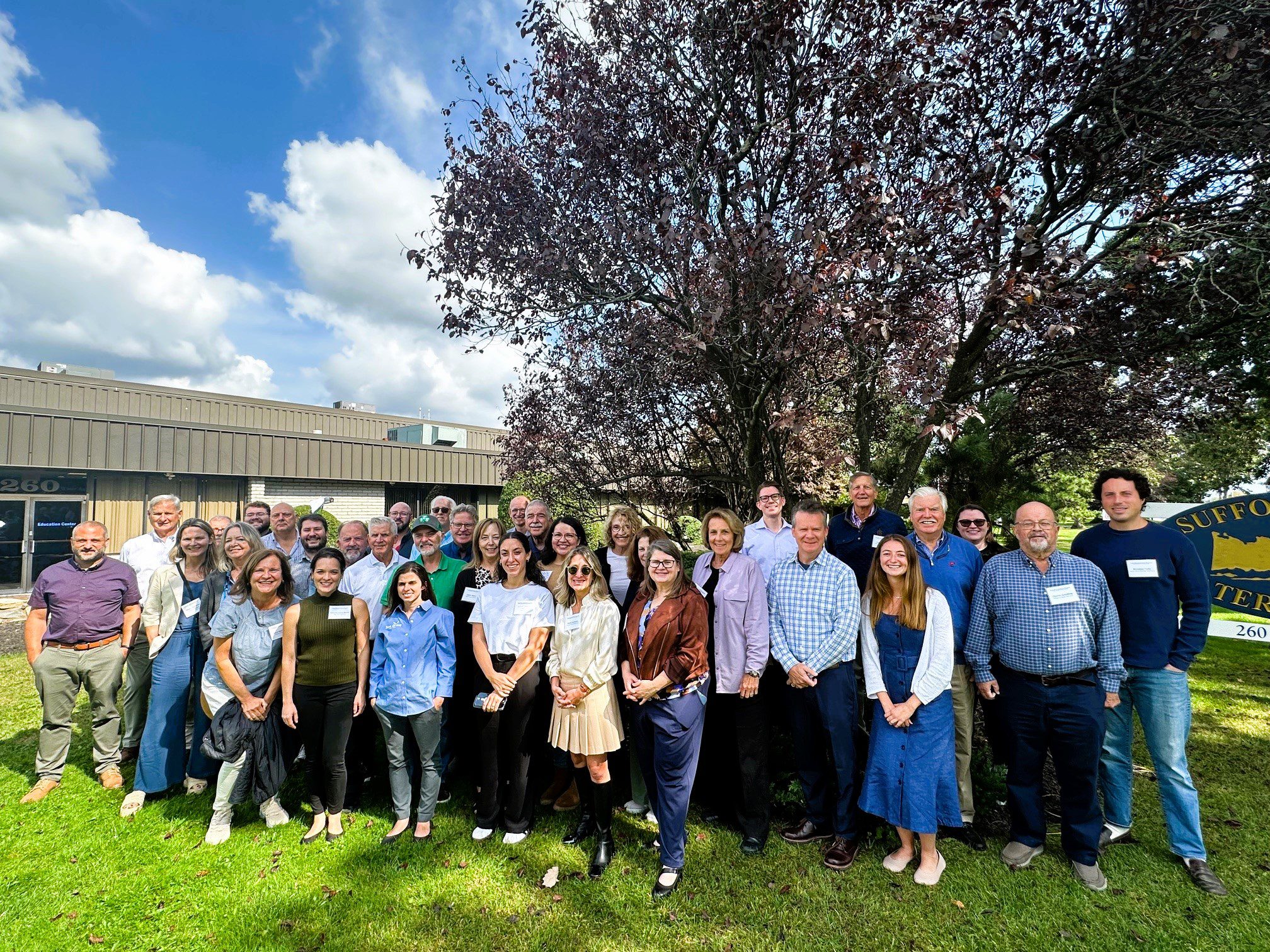
With funding from Long Island Sound Study and support from New York Sea Grant’s Sustainable and Resilient Communities Extension Professionals, Pace University’s Land Use Law Center brought its award-winning Land Use Leadership Alliance Training Program to Suffolk and Nassau municipalities within the Long Island Sound watershed. The training program consisted of three full-day workshops held in Hauppauge, NY that focused on the land use system, innovative approaches to sea level rise adaptation, hazard mitigation, and natural resource protection to strengthen community planning, regulation, and informed decision-making. 28 municipal staff and community leaders, representing 18 different Long Island Sound communities, completed the Program. Program graduates gained new networks of support, identified successful land use techniques, and developed implementation plans that will enable a more resilient future for their community and the Long Island Sound region.
The program comprised three full-day sessions on September 27, October 4, and October 18, 2024 at the Suffolk County Water Authority Education Center, 260 Motor Parkway in Hauppauge, NY.
If you are interested in learning more and participating in a future LULA training, please email lisresilience@gmail.com.
Training
With funding from Long Island Sound Study and support from New York Sea Grant’s Sustainable and Resilient Communities Extension Professionals, Pace University’s Land Use Law Center brought its award-winning Land Use Leadership Alliance Training Program to Suffolk and Nassau municipalities within the Long Island Sound watershed. The training program consisted of three full-day workshops held in Hauppauge, NY that focused on the land use system, innovative approaches to sea level rise adaptation, hazard mitigation, and natural resource protection to strengthen community planning, regulation, and informed decision-making. 28 municipal staff and community leaders, representing 18 different Long Island Sound communities, completed the Program. Program graduates gained new networks of support, identified successful land use techniques, and developed implementation plans that will enable a more resilient future for their community and the Long Island Sound region.
The program comprised three full-day sessions on September 27, October 4, and October 18, 2024 at the Suffolk County Water Authority Education Center, 260 Motor Parkway in Hauppauge, NY.
If you are interested in learning more and participating in a future LULA training, please email lisresilience@gmail.com.
Report
Level of Effort:
The Connecticut Conference of Municipalities (CCM) recently released a comprehensive report on understanding and addressing the occurrence of local flooding. Developed in collaboration with leading engineering firm Fuss & O’Neill, the study was motivated by the need to address the growing concerns surrounding flood risks across Connecticut. The report evaluates current flood management practices and outlines a series of strategic interventions actionable recommendations to enhance community resilience.
Report
Level of Effort:
The Connecticut Conference of Municipalities (CCM) recently released a comprehensive report on understanding and addressing the occurrence of local flooding. Developed in collaboration with leading engineering firm Fuss & O’Neill, the study was motivated by the need to address the growing concerns surrounding flood risks across Connecticut. The report evaluates current flood management practices and outlines a series of strategic interventions actionable recommendations to enhance community resilience.
Training
The Long Island Sound Sustainable and Resilient Communities (SRC) Team held our 2024 Annual Workshop virtually as three sessions over two days. Session topics focused on our assistance programs, new regional resilience resources and tools, and a discussion on planning for inundation and different considerations communities may face.
Session 3 – Planning for Inundation was held on Wednesday, December 11th from 10 AM-12 PM. Participants heard from communities and regional entities that are using or considering different aspects of planning for inundation, including buyout programs, land use policies, and community perspectives on retreat/relocation.

Training
The Long Island Sound Sustainable and Resilient Communities (SRC) Team held our 2024 Annual Workshop virtually as three sessions over two days. Session topics focused on our assistance programs, new regional resilience resources and tools, and a discussion on planning for inundation and different considerations communities may face.
Session 3 – Planning for Inundation was held on Wednesday, December 11th from 10 AM-12 PM. Participants heard from communities and regional entities that are using or considering different aspects of planning for inundation, including buyout programs, land use policies, and community perspectives on retreat/relocation.
Training
The Long Island Sound Sustainable and Resilient Communities (SRC) Team held our 2024 Annual Workshop virtually as three sessions over two days. Session topics focused on our assistance programs, new regional resilience resources and tools, and a discussion on planning for inundation and different considerations communities may face.
Session 2 – Resilience Tools was held on Tuesday, December 10th from 1:30-3:30 PM. Participants learned about new Resilience Tools being developed and used throughout coastal Long Island Sound.
Training
The Long Island Sound Sustainable and Resilient Communities (SRC) Team held our 2024 Annual Workshop virtually as three sessions over two days. Session topics focused on our assistance programs, new regional resilience resources and tools, and a discussion on planning for inundation and different considerations communities may face.
Session 2 – Resilience Tools was held on Tuesday, December 10th from 1:30-3:30 PM. Participants learned about new Resilience Tools being developed and used throughout coastal Long Island Sound.
Training
The Long Island Sound Sustainable and Resilient Communities (SRC) Team held our 2024 Annual Workshop virtually as three sessions over two days. Session topics focused on our assistance programs, new regional resilience resources and tools, and a discussion on planning for inundation and different considerations communities may face.
Session 1 – SRC Resilience Assistance Programs was held on Tuesday, December 10th from 10-11:30 AM. Participants learned about our Sustainable and Resilient Communities resilience assistance programs and heard from communities who have successfully utilized them to advance resilience project plans, build capacity, and secure competitive grant funding!
Training
The Long Island Sound Sustainable and Resilient Communities (SRC) Team held our 2024 Annual Workshop virtually as three sessions over two days. Session topics focused on our assistance programs, new regional resilience resources and tools, and a discussion on planning for inundation and different considerations communities may face.
Session 1 – SRC Resilience Assistance Programs was held on Tuesday, December 10th from 10-11:30 AM. Participants learned about our Sustainable and Resilient Communities resilience assistance programs and heard from communities who have successfully utilized them to advance resilience project plans, build capacity, and secure competitive grant funding!
$45k-100k for 1-year projects; $75k-150K for 2-year projects
Partners for Places aims to enhance local capacity to build equitable and sustainable communities in the United States and Canada. These matching awards support the planning and implementing of urban sustainability and green stormwater infrastructure projects.
$45k-100k for 1-year projects; $75k-150K for 2-year projects
Partners for Places aims to enhance local capacity to build equitable and sustainable communities in the United States and Canada. These matching awards support the planning and implementing of urban sustainability and green stormwater infrastructure projects.
Funding
: Nov 19 – Mar 21, 2025
The Climate Smart Communities Initiative (CSCI) provides funding, expertise, training, and other resources to help communities advance their climate resilience plans and projects while also developing the strategies and capacities that communities nationwide will need as climate impacts intensify.
Funding
: Nov 19 – Mar 21, 2025
The Climate Smart Communities Initiative (CSCI) provides funding, expertise, training, and other resources to help communities advance their climate resilience plans and projects while also developing the strategies and capacities that communities nationwide will need as climate impacts intensify.
Training
On October 28, 2024, state and local decision makers, municipal staff, and other interested parties working to address coastal issues gathered at the Sands Point Preserve Conservancy in Sands Point, NY to identify opportunities to increase resilience, learn about best practices, and enhance coordination across communities. There were presentations on the Long Island Sound Resilience Resource Hub & Assistance Programs, NYSDEC Office of Climate Change updates, marsh conservation planning, bluff management and restoration, and nature-based solutions to increase shoreline resilience. There was also a guided walking tour of the resilience projects at Sands Point Preserve.
The event is hosted by Long Island Sound Study and New York Sea Grant, in partnership with the Sands Point Preserve Conservancy and Nassau and Suffolk Soil and Water Conservation Districts.
Training
On October 28, 2024, state and local decision makers, municipal staff, and other interested parties working to address coastal issues gathered at the Sands Point Preserve Conservancy in Sands Point, NY to identify opportunities to increase resilience, learn about best practices, and enhance coordination across communities. There were presentations on the Long Island Sound Resilience Resource Hub & Assistance Programs, NYSDEC Office of Climate Change updates, marsh conservation planning, bluff management and restoration, and nature-based solutions to increase shoreline resilience. There was also a guided walking tour of the resilience projects at Sands Point Preserve.
The event is hosted by Long Island Sound Study and New York Sea Grant, in partnership with the Sands Point Preserve Conservancy and Nassau and Suffolk Soil and Water Conservation Districts.
Rebuilding American Infrastructure with Sustainability and Equity (RAISE) program provides grants for surface transportation infrastructure projects with significant local or regional impact. The eligibility requirements of RAISE allow project sponsors, including state and local governments, counties, Tribal governments, transit agencies, and port authorities, to pursue multi-modal and multi-jurisdictional projects that are more difficult to fund through other grant programs. The RAISE program was previously known as the Better Utilizing Investments to Leverage Development (BUILD) and Transportation Investment Generating Economic Recovery (TIGER) discretionary grants.
Rebuilding American Infrastructure with Sustainability and Equity (RAISE) program provides grants for surface transportation infrastructure projects with significant local or regional impact. The eligibility requirements of RAISE allow project sponsors, including state and local governments, counties, Tribal governments, transit agencies, and port authorities, to pursue multi-modal and multi-jurisdictional projects that are more difficult to fund through other grant programs. The RAISE program was previously known as the Better Utilizing Investments to Leverage Development (BUILD) and Transportation Investment Generating Economic Recovery (TIGER) discretionary grants.
Events
The Long Island Sound Sustainable and Resilient Communities (SRC) Team is excited to announce that for our 2024 Annual Workshop we are holding a series of virtual sessions over two days focused on our assistance programs, new regional resilience resources and tools, and a discussion on planning for inundation and different considerations communities may face.
Session 3 – Planning for Inundation
Join us on Wednesday, December 11th from 10 AM-12 PM to hear from communities and regional entities that are considering different aspects of planning for inundation, including buyout programs, land use policies, and community perspectives on retreat/relocation.
Events
The Long Island Sound Sustainable and Resilient Communities (SRC) Team is excited to announce that for our 2024 Annual Workshop we are holding a series of virtual sessions over two days focused on our assistance programs, new regional resilience resources and tools, and a discussion on planning for inundation and different considerations communities may face.
Session 3 – Planning for Inundation
Join us on Wednesday, December 11th from 10 AM-12 PM to hear from communities and regional entities that are considering different aspects of planning for inundation, including buyout programs, land use policies, and community perspectives on retreat/relocation.
Events
The Long Island Sound Sustainable and Resilient Communities (SRC) Team is excited to announce that for our 2024 Annual Workshop we are holding a series of virtual sessions over two days focused on our assistance programs, new regional resilience resources and tools, and a discussion on planning for inundation and different considerations communities may face.
Session 2 – Resilience Tools
Join us on Tuesday, December 10th from 1:30-3:30 PM to learn about new Resilience Tools being developed and used throughout coastal Long Island Sound!
Events
The Long Island Sound Sustainable and Resilient Communities (SRC) Team is excited to announce that for our 2024 Annual Workshop we are holding a series of virtual sessions over two days focused on our assistance programs, new regional resilience resources and tools, and a discussion on planning for inundation and different considerations communities may face.
Session 2 – Resilience Tools
Join us on Tuesday, December 10th from 1:30-3:30 PM to learn about new Resilience Tools being developed and used throughout coastal Long Island Sound!
min $250,000 (no max)
The Community Investment Fund 2030 (CIF) will foster economic development in historically underserved communities across Connecticut. CIF will provide a total of up to $875 million to eligible municipalities as well as not-for-profit organizations and community development corporations that operate within them.
min $250,000 (no max)
The Community Investment Fund 2030 (CIF) will foster economic development in historically underserved communities across Connecticut. CIF will provide a total of up to $875 million to eligible municipalities as well as not-for-profit organizations and community development corporations that operate within them.
Events
The Long Island Sound Sustainable and Resilient Communities (SRC) Team is excited to announce that for our 2024 Annual Workshop we are holding a series of virtual sessions over two days focused on our assistance programs, new regional resilience resources and tools, and a discussion on planning for inundation and different considerations communities may face.
Session 1 – SRC Resilience Assistance Programs
Join us on Tuesday, December 10th from 10-11:30 AM to learn about our Sustainable and Resilient Communities resilience assistance programs and hear from communities who have successfully utilized them to advance resilience project plans, build capacity, and/or secure competitive grant funding!
Events
The Long Island Sound Sustainable and Resilient Communities (SRC) Team is excited to announce that for our 2024 Annual Workshop we are holding a series of virtual sessions over two days focused on our assistance programs, new regional resilience resources and tools, and a discussion on planning for inundation and different considerations communities may face.
Session 1 – SRC Resilience Assistance Programs
Join us on Tuesday, December 10th from 10-11:30 AM to learn about our Sustainable and Resilient Communities resilience assistance programs and hear from communities who have successfully utilized them to advance resilience project plans, build capacity, and/or secure competitive grant funding!
Guidance Tool
Level of Effort:
FEMA’s National Resilience Guidance document is intended to help all individuals, communities, and organizations understand our nation’s vision for resilience, the key principles that must be applied to strengthen resilience, and the players and systems that contribute to resilience. It also outlines how to strengthen resilience by organizing and engaging people, incorporating resilience concepts into planning efforts, creating change through policies, prioritizing projects and programs, financing resilience efforts, and measuring and evaluating resilience. Finally, the NRG includes a Resilience Maturity Model that illustrates stages in the evolution of a community’s approach to resilience.
Guidance Tool
Level of Effort:
FEMA’s National Resilience Guidance document is intended to help all individuals, communities, and organizations understand our nation’s vision for resilience, the key principles that must be applied to strengthen resilience, and the players and systems that contribute to resilience. It also outlines how to strengthen resilience by organizing and engaging people, incorporating resilience concepts into planning efforts, creating change through policies, prioritizing projects and programs, financing resilience efforts, and measuring and evaluating resilience. Finally, the NRG includes a Resilience Maturity Model that illustrates stages in the evolution of a community’s approach to resilience.
Training
On October 29, 2024, state and local decision makers, municipal staff, and other interested parties working to address coastal issues gathered at the Dorothy P. Flint 4-H Camp in Riverhead, NY to identify opportunities to increase resilience, learn about best practices, and enhance coordination across communities. There were presentations on the Long Island Sound Resilience Resource Hub, NYSDEC Climate Office updates, marsh conservation planning, bluff management and restoration, and nature-based solutions to increase shoreline resilience. There was also a field trip to Iron Pier Beach/Maidstone Landing to view and learn about a community bluff restoration project.
This event was hosted by Long Island Sound Study and New York Sea Grant, in partnership with Nassau and Suffolk Soil and Water Conservation Districts, Nassau CCE, and Maidstone Landing.

Training
On October 29, 2024, state and local decision makers, municipal staff, and other interested parties working to address coastal issues gathered at the Dorothy P. Flint 4-H Camp in Riverhead, NY to identify opportunities to increase resilience, learn about best practices, and enhance coordination across communities. There were presentations on the Long Island Sound Resilience Resource Hub, NYSDEC Climate Office updates, marsh conservation planning, bluff management and restoration, and nature-based solutions to increase shoreline resilience. There was also a field trip to Iron Pier Beach/Maidstone Landing to view and learn about a community bluff restoration project.
This event was hosted by Long Island Sound Study and New York Sea Grant, in partnership with Nassau and Suffolk Soil and Water Conservation Districts, Nassau CCE, and Maidstone Landing.
Funding
: May 9 – Aug 16, 2024
EPA’s Creating Resilient Water Utilities (CRWU) initiative is offering no-cost climate change risk assessment technical assistance to drinking water, wastewater, and stormwater utilities, as well as other water sector stakeholders. Through this technical assistance process, CRWU will assist approximately 75 water sector utilities / communities in identifying long-term climate change adaptation strategies, as well as potential funding options to implement adaptive measures.
Funding
: May 9 – Aug 16, 2024
EPA’s Creating Resilient Water Utilities (CRWU) initiative is offering no-cost climate change risk assessment technical assistance to drinking water, wastewater, and stormwater utilities, as well as other water sector stakeholders. Through this technical assistance process, CRWU will assist approximately 75 water sector utilities / communities in identifying long-term climate change adaptation strategies, as well as potential funding options to implement adaptive measures.
Funding
: Jul 18 – Sep 30, 2024
$2,000 - $50,000
In collaboration with CT Department of Energy and Environmental Protection (DEEP), the Connecticut Institute for Resilience and Climate Adaptation (CIRCA) requests grant proposals for projects that increase the capacity of vulnerable communities to mitigate, plan for, and respond to climate change impacts. This funding supports the recommendations of the Governor’s Council on Climate Change (GC3).
Funding
: Jul 18 – Sep 30, 2024
$2,000 - $50,000
In collaboration with CT Department of Energy and Environmental Protection (DEEP), the Connecticut Institute for Resilience and Climate Adaptation (CIRCA) requests grant proposals for projects that increase the capacity of vulnerable communities to mitigate, plan for, and respond to climate change impacts. This funding supports the recommendations of the Governor’s Council on Climate Change (GC3).
Funding
: Jul 9 – Sep 30, 2024
up to $2M for Planning, $5-$100M for Capital Construction
The Reconnecting Communities Pilot Program, available through the Office of the Secretary of Transportation and US DOT, makes awards on a competitive basis for projects that reconnect communities by removing, retrofitting, or mitigating highways or other transportation facilities that create barriers to community connectivity, including to mobility, access, or economic development.
Funding
: Jul 9 – Sep 30, 2024
up to $2M for Planning, $5-$100M for Capital Construction
The Reconnecting Communities Pilot Program, available through the Office of the Secretary of Transportation and US DOT, makes awards on a competitive basis for projects that reconnect communities by removing, retrofitting, or mitigating highways or other transportation facilities that create barriers to community connectivity, including to mobility, access, or economic development.
Resource
Level of Effort:
This fact sheet for Conservation Commissions in Connecticut reviews the role of these commissions for enhancing the climate resilience of their communities. The resource was developed by CIRCA and covers the authority and duties of conservation commissions as well as detailing specific strategies and approaches.
Resource
Level of Effort:
This fact sheet for Conservation Commissions in Connecticut reviews the role of these commissions for enhancing the climate resilience of their communities. The resource was developed by CIRCA and covers the authority and duties of conservation commissions as well as detailing specific strategies and approaches.
Report
Level of Effort:
WEST COG developed this riparian zoning publication that is primarily focused on water quality, but also is highly relevant to climate mitigation.
Report
Level of Effort:
WEST COG developed this riparian zoning publication that is primarily focused on water quality, but also is highly relevant to climate mitigation.
Funding
: Nov 1 – Mar 31, 2025
$75,000 - $350,000
EPA has selected Fordham University to serve as pass-through entity for the Thriving Communities Grants for New York, New Jersey, Puerto Rico, and the US Virgin Islands. Thriving Communities subgrants will be distributed to support capacity building in communities affected by environmental or public health issues to eligible applicants. Applications will be accepted on a rolling basis until March 31, 2025.
Funding
: Nov 1 – Mar 31, 2025
$75,000 - $350,000
EPA has selected Fordham University to serve as pass-through entity for the Thriving Communities Grants for New York, New Jersey, Puerto Rico, and the US Virgin Islands. Thriving Communities subgrants will be distributed to support capacity building in communities affected by environmental or public health issues to eligible applicants. Applications will be accepted on a rolling basis until March 31, 2025.
Website
Level of Effort:
The New York State Climate Impacts Assessment explores current and future climate change impacts to New York State communities, ecosystems, and economy. The New York State Energy Research and Development Authority (NYSERDA) assembled more than 250 New York–based, national, and Indigenous climate science experts and representatives from diverse communities and industries across the state to contribute to this assessment. The findings are intended to help residents, businesses, and decision-makers across the state plan and prepare for climate change impacts.
Website
Level of Effort:
The New York State Climate Impacts Assessment explores current and future climate change impacts to New York State communities, ecosystems, and economy. The New York State Energy Research and Development Authority (NYSERDA) assembled more than 250 New York–based, national, and Indigenous climate science experts and representatives from diverse communities and industries across the state to contribute to this assessment. The findings are intended to help residents, businesses, and decision-makers across the state plan and prepare for climate change impacts.
Funding
: Jul 13, 2025
$500 - $1,000
Awards small grants in support of grassroots efforts and community-based environmental work in New England. The Grassroots Fund utilizes participatory grantmaking to move resources to New England grassroots groups working at the intersections of Environmental Justice. The program is geared toward groups who have some experience implementing a project in their community. Grants support groups to deepen their work by further developing a community vision, lowering barriers to participation, identifying new stakeholders, and working to bring more voices and lived experiences into core decision-making processes.
Funding
: Jul 13, 2025
$500 - $1,000
Awards small grants in support of grassroots efforts and community-based environmental work in New England. The Grassroots Fund utilizes participatory grantmaking to move resources to New England grassroots groups working at the intersections of Environmental Justice. The program is geared toward groups who have some experience implementing a project in their community. Grants support groups to deepen their work by further developing a community vision, lowering barriers to participation, identifying new stakeholders, and working to bring more voices and lived experiences into core decision-making processes.
Funding
: Feb 9 – Apr 9, 2024
Supports the development of urban agriculture and innovative production activities by funding Planning Projects and Implementation Projects led by nonprofit organizations, local or Tribal governments, and schools.
Funding
: Feb 9 – Apr 9, 2024
Supports the development of urban agriculture and innovative production activities by funding Planning Projects and Implementation Projects led by nonprofit organizations, local or Tribal governments, and schools.
Up to $8,000 (Planning); Up to $50,000 (Implementation)
The Climate Smart Land Stewardship Grants is a new fund for land trusts offered by the Connecticut Land Conservation Council (CLCC) with support from the Connecticut Department of Agriculture. This program will award $500,000 over multiple years for both planning and implementation grants.
Up to $8,000 (Planning); Up to $50,000 (Implementation)
The Climate Smart Land Stewardship Grants is a new fund for land trusts offered by the Connecticut Land Conservation Council (CLCC) with support from the Connecticut Department of Agriculture. This program will award $500,000 over multiple years for both planning and implementation grants.
Funding
: Feb 28 – May 28, 2024
$200,000 - $3,000,000
The Inflation Reduction Act of 2022 provides EPA with $3 billion to fund zero-emission port equipment and infrastructure as well as climate and air quality planning at U.S. ports. This new funding program will build on EPA’s Ports Initiative that helps our nation’s ports, a critical part of our infrastructure and supply chain, address public health and environmental impacts on surrounding communities. EPA has announced two separate Notices of Funding Opportunities to disburse the allocated $3 billion – the Zero-Emission Technology Deployment Competition AND the Climate and Air Quality Planning Competition.
Funding
: Feb 28 – May 28, 2024
$200,000 - $3,000,000
The Inflation Reduction Act of 2022 provides EPA with $3 billion to fund zero-emission port equipment and infrastructure as well as climate and air quality planning at U.S. ports. This new funding program will build on EPA’s Ports Initiative that helps our nation’s ports, a critical part of our infrastructure and supply chain, address public health and environmental impacts on surrounding communities. EPA has announced two separate Notices of Funding Opportunities to disburse the allocated $3 billion – the Zero-Emission Technology Deployment Competition AND the Climate and Air Quality Planning Competition.
Guidance Tool
Level of Effort:
This resource outlines six different federal mitigation funding programs. It provides an overview of available options and links to learn more information and apply.
Guidance Tool
Level of Effort:
This resource outlines six different federal mitigation funding programs. It provides an overview of available options and links to learn more information and apply.
Funding
: Oct 12 – Dec 15, 2023
$800M total available
The Flood Mitigation Assistance grant program is a competitive program that provides funding to states, federally recognized Tribal governments, U.S. territories, and local governments. Since the National Flood Insurance Reform Act of 1994 was signed into law, funds are used for projects that reduce or eliminate the risk of repetitive flood damage to buildings insured by the National Flood Insurance Program.
Funding
: Oct 12 – Dec 15, 2023
$800M total available
The Flood Mitigation Assistance grant program is a competitive program that provides funding to states, federally recognized Tribal governments, U.S. territories, and local governments. Since the National Flood Insurance Reform Act of 1994 was signed into law, funds are used for projects that reduce or eliminate the risk of repetitive flood damage to buildings insured by the National Flood Insurance Program.
Funding
: Oct 12 – Dec 15, 2023
$1B total available
The Federal Emergency Management Agency (FEMA) Building Resilient Infrastructure and Communities (BRIC) grant program will support states, local communities, tribes and territories as they undertake hazard mitigation projects, reducing the risks they face from disasters and natural hazards. The BRIC program’s guiding principles are to support communities through capability and capacity building, encourage and enable innovation; promote partnerships, enable large projects, maintain flexibility, and provide consistency.
Funding
: Oct 12 – Dec 15, 2023
$1B total available
The Federal Emergency Management Agency (FEMA) Building Resilient Infrastructure and Communities (BRIC) grant program will support states, local communities, tribes and territories as they undertake hazard mitigation projects, reducing the risks they face from disasters and natural hazards. The BRIC program’s guiding principles are to support communities through capability and capacity building, encourage and enable innovation; promote partnerships, enable large projects, maintain flexibility, and provide consistency.
Funding
: Jul 13, 2025
up to $9,950
New York Sea Grant and Connecticut Sea Grant are providing grant preparation and writing capacity to New York and Connecticut communities that are pursuing funding for sustainability and resilience-focused projects. This technical assistance program helps municipalities and community organizations develop successful grant proposals and develop capacity for navigating the funding landscape.
Funding
: Jul 13, 2025
up to $9,950
New York Sea Grant and Connecticut Sea Grant are providing grant preparation and writing capacity to New York and Connecticut communities that are pursuing funding for sustainability and resilience-focused projects. This technical assistance program helps municipalities and community organizations develop successful grant proposals and develop capacity for navigating the funding landscape.
up to $50,000
The Nature Conservancy is pleased to announce a fifth round of funding available in New York through our Climate Resilience Grant Program. The program supports conservation and climate adaptation projects, including land protection, led by local organizations, with the goal of increasing resilience to climate change for people and nature. Program grants will help local organizations with fee and easement acquisitions of lands that connect with important floodplains and shorelines that mitigate flooding and erosion. The grants will also provide funding for organizational capacity-building, planning and strategy development. We will prioritize projects that include engagement with and benefits to local communities, particularly in underserved and frontline communities.
up to $50,000
The Nature Conservancy is pleased to announce a fifth round of funding available in New York through our Climate Resilience Grant Program. The program supports conservation and climate adaptation projects, including land protection, led by local organizations, with the goal of increasing resilience to climate change for people and nature. Program grants will help local organizations with fee and easement acquisitions of lands that connect with important floodplains and shorelines that mitigate flooding and erosion. The grants will also provide funding for organizational capacity-building, planning and strategy development. We will prioritize projects that include engagement with and benefits to local communities, particularly in underserved and frontline communities.
Funding
: Dec 19 – Aug 1, 2024
Up to $8,000 (Planning); Up to $50,000 (Implementation)
The Climate Smart Land Stewardship Grants is a new fund for land trusts offered by the Connecticut Land Conservation Council (CLCC) with support from the Connecticut Department of Agriculture. This program will award $500,000 over multiple years for both planning and implementation grants. In 2024, grants will be awarded quarterly.
Funding
: Dec 19 – Aug 1, 2024
Up to $8,000 (Planning); Up to $50,000 (Implementation)
The Climate Smart Land Stewardship Grants is a new fund for land trusts offered by the Connecticut Land Conservation Council (CLCC) with support from the Connecticut Department of Agriculture. This program will award $500,000 over multiple years for both planning and implementation grants. In 2024, grants will be awarded quarterly.
Guidance Tool
Level of Effort:
The Federal Highway Administration (FHWA’s) Vulnerability Assessment and Adaptation Framework, 3rd Edition, is a guide and collection of resources for use in analyzing the impacts of climate change and extreme weather on transportation infrastructure. Its purpose is to identify key considerations, questions, and resources that can be used to design and implement a climate change vulnerability assessment. The processes, lessons learned, and resources outlined in the framework are geared toward state departments of transportation (DOTs), metropolitan planning organizations (MPOs), and other agencies involved in planning, building, or maintaining the transportation system. It includes suggestions and examples applicable to a wide range of applications, from small qualitative studies to large, detailed, data-intensive analyses. The resources included in the framework will be added to and updated over time.
Guidance Tool
Level of Effort:
The Federal Highway Administration (FHWA’s) Vulnerability Assessment and Adaptation Framework, 3rd Edition, is a guide and collection of resources for use in analyzing the impacts of climate change and extreme weather on transportation infrastructure. Its purpose is to identify key considerations, questions, and resources that can be used to design and implement a climate change vulnerability assessment. The processes, lessons learned, and resources outlined in the framework are geared toward state departments of transportation (DOTs), metropolitan planning organizations (MPOs), and other agencies involved in planning, building, or maintaining the transportation system. It includes suggestions and examples applicable to a wide range of applications, from small qualitative studies to large, detailed, data-intensive analyses. The resources included in the framework will be added to and updated over time.
Mapper
Level of Effort:
The Long Island Sound Watershed Land Cover Viewer contains all dates of land cover as well as Change To, Change From, Riparian Area Land Cover, and Impervious Surface Estimate layers. It also has many layers where HUC 12 watersheds are colored based on a single land cover.
Mapper
Level of Effort:
The Long Island Sound Watershed Land Cover Viewer contains all dates of land cover as well as Change To, Change From, Riparian Area Land Cover, and Impervious Surface Estimate layers. It also has many layers where HUC 12 watersheds are colored based on a single land cover.
Mapper
Level of Effort:
Connecticut Environmental Conditions Online (CT ECO) is the collaborative work of the Connecticut Department of Energy and Environmental Protection (DEEP) and the University of Connecticut Center for Land Use Education and Research (CLEAR) to share environmental and natural resource information with the general public. CT ECO’s mission is to encourage, support, and promote informed land use and development decisions in Connecticut by providing local, state and federal agencies, and the general public with convenient access to the most up-to-date and complete natural resource information available statewide.
CT ECO includes a variety of online maps and tools for viewing Connecticut’s environmental and natural resources as well as high resolution aerial imagery, elevation data, and land cover. The Advanced Map Viewer provides flexibility to turn on and off layers of the map.
Mapper
Level of Effort:
Connecticut Environmental Conditions Online (CT ECO) is the collaborative work of the Connecticut Department of Energy and Environmental Protection (DEEP) and the University of Connecticut Center for Land Use Education and Research (CLEAR) to share environmental and natural resource information with the general public. CT ECO’s mission is to encourage, support, and promote informed land use and development decisions in Connecticut by providing local, state and federal agencies, and the general public with convenient access to the most up-to-date and complete natural resource information available statewide.
CT ECO includes a variety of online maps and tools for viewing Connecticut’s environmental and natural resources as well as high resolution aerial imagery, elevation data, and land cover. The Advanced Map Viewer provides flexibility to turn on and off layers of the map.
Guidance Tool
Level of Effort:
The Equitable Resilience Builder (ERB) is an application that supports communities in resilience planning with a focus on equity. It engages users in a guided process to inclusively assess local hazards, equity, and the resilience of built, natural, and social environment systems. Results can be used to collaboratively prioritize actions to build community resilience in an equitable way.
Guidance Tool
Level of Effort:
The Equitable Resilience Builder (ERB) is an application that supports communities in resilience planning with a focus on equity. It engages users in a guided process to inclusively assess local hazards, equity, and the resilience of built, natural, and social environment systems. Results can be used to collaboratively prioritize actions to build community resilience in an equitable way.
Funding
: Mar 1 – May 12, 2023
$25,000-$150,000
Clean Water Act Section 604(b) Water Quality Planning Grants fund regional comprehensive water quality management planning activities as described in Section 604(b) of the federal Clean Water Act. 604(b) funds are to be used for water quality management planning activities, such as determining the nature, extent and causes of point and nonpoint source water pollution problems, and developing plans to resolve these problems.
DEC typically issues a Request for Applications (RFA) every 3-5 years and awards funds to multi-year projects.
Funding
: Mar 1 – May 12, 2023
$25,000-$150,000
Clean Water Act Section 604(b) Water Quality Planning Grants fund regional comprehensive water quality management planning activities as described in Section 604(b) of the federal Clean Water Act. 604(b) funds are to be used for water quality management planning activities, such as determining the nature, extent and causes of point and nonpoint source water pollution problems, and developing plans to resolve these problems.
DEC typically issues a Request for Applications (RFA) every 3-5 years and awards funds to multi-year projects.
Funding
: May 19 – Jul 31, 2025
$100-400K
The NYS Department of State (NYSDOS) is soliciting applications from eligible municipalities, community-based not-for-profit organizations, and NYC Community Boards for Brownfield Opportunity Area Program funding. Funds are available for projects that establish or implement strategies for community redevelopment of areas affected by historical disinvestment, vacant and blighted properties, and the presence or potential presence of brownfields.
Funding
: May 19 – Jul 31, 2025
$100-400K
The NYS Department of State (NYSDOS) is soliciting applications from eligible municipalities, community-based not-for-profit organizations, and NYC Community Boards for Brownfield Opportunity Area Program funding. Funds are available for projects that establish or implement strategies for community redevelopment of areas affected by historical disinvestment, vacant and blighted properties, and the presence or potential presence of brownfields.
$2 million - $20 million
The Long Island Investment Fund will focus on large scale, transformative projects that will have lasting impacts on Long Island and that are consistent with the strategic goals and priorities of the Long Island Regional Economic Development Council’s strategic plan and the four strategic pillars of Empire State Development. This includes projects that 1) have garnered community support, 2) will result in quality jobs, 3) leverage non-State investment, 4) are financially sound, and 5) can quickly begin. Funds will be directed towards purposes that may include, but not be limited to, support of manufacturing, agriculture, business parks, community anchor facilities, advanced technology, biotechnology and biomedical facilities, main street revitalization, and multi-family housing.
$2 million - $20 million
The Long Island Investment Fund will focus on large scale, transformative projects that will have lasting impacts on Long Island and that are consistent with the strategic goals and priorities of the Long Island Regional Economic Development Council’s strategic plan and the four strategic pillars of Empire State Development. This includes projects that 1) have garnered community support, 2) will result in quality jobs, 3) leverage non-State investment, 4) are financially sound, and 5) can quickly begin. Funds will be directed towards purposes that may include, but not be limited to, support of manufacturing, agriculture, business parks, community anchor facilities, advanced technology, biotechnology and biomedical facilities, main street revitalization, and multi-family housing.
Funding
: Jul 13 – Nov 14, 2023
Non-monetary Award
The Drinking Water Source Protection Program (DWSP2) is a locally led, state-supported program that empowers municipalities to take action to improve and protect their public water sources and surrounding environment. Communities accepted into the program are provided free technical assistance to develop their own unique DWSP2 plan, leading to actionable steps the municipality can take to protect their drinking water sources now and into the future.
Funding
: Jul 13 – Nov 14, 2023
Non-monetary Award
The Drinking Water Source Protection Program (DWSP2) is a locally led, state-supported program that empowers municipalities to take action to improve and protect their public water sources and surrounding environment. Communities accepted into the program are provided free technical assistance to develop their own unique DWSP2 plan, leading to actionable steps the municipality can take to protect their drinking water sources now and into the future.
Funding
: Jul 13 – Sep 1, 2023
$25,000-$100,000
WCF’s 2023 Environmental Grant Program is focused on addressing environmental issues and accelerating climate mitigation and adaptation efforts in Westchester County.
Funding
: Jul 13 – Sep 1, 2023
$25,000-$100,000
WCF’s 2023 Environmental Grant Program is focused on addressing environmental issues and accelerating climate mitigation and adaptation efforts in Westchester County.
Funding
: May 19 – Jul 31, 2025
Max award of $50-75K
The Non-Agricultural Nonpoint Source Planning and MS4 Mapping Grant (NPG) is a competitive, reimbursement grant program that funds planning reports for nonpoint source water quality improvement projects and mapping of Municipal Separate Storm Sewer Systems (MS4s). The program aims to prepare nonpoint source projects for implementation funding, and to encourage and support cooperation among regulated MS4s to complete mapping of their stormwater system.
Funding
: May 19 – Jul 31, 2025
Max award of $50-75K
The Non-Agricultural Nonpoint Source Planning and MS4 Mapping Grant (NPG) is a competitive, reimbursement grant program that funds planning reports for nonpoint source water quality improvement projects and mapping of Municipal Separate Storm Sewer Systems (MS4s). The program aims to prepare nonpoint source projects for implementation funding, and to encourage and support cooperation among regulated MS4s to complete mapping of their stormwater system.
Funding
: May 19 – Jul 31, 2025
$50K-$2M for implementation grants, $10K-200K for certification grants
The Climate Smart Communities (CSC) Grant program was established in 2016 to provide grants to cities, towns, villages, and counties of the State of New York for eligible climate change mitigation, adaptation, and planning and assessment projects. Funds are available for two broad project categories – implementation and certification. The first project category supports implementation projects related to the reduction of greenhouse gas emissions (mainly outside the power sector), climate change adaptation, and engineering feasibility studies for flood mitigation and Hydrofluorocarbons. The second supports planning and assessment projects aligned with Climate Smart Communities certification actions.
Funding
: May 19 – Jul 31, 2025
$50K-$2M for implementation grants, $10K-200K for certification grants
The Climate Smart Communities (CSC) Grant program was established in 2016 to provide grants to cities, towns, villages, and counties of the State of New York for eligible climate change mitigation, adaptation, and planning and assessment projects. Funds are available for two broad project categories – implementation and certification. The first project category supports implementation projects related to the reduction of greenhouse gas emissions (mainly outside the power sector), climate change adaptation, and engineering feasibility studies for flood mitigation and Hydrofluorocarbons. The second supports planning and assessment projects aligned with Climate Smart Communities certification actions.
Funding
: May 19 – Jul 31, 2025
$50K-$2M
The NYS Department of State (NYSDOS) is soliciting applications from eligible villages, towns, cities located along New York’s coasts or designated inland waterways, counties, or regional planning councils to advance the preparation or implementation of strategies for community and waterfront revitalization through the following grant categories: Preparing or Updating a Local Waterfront Revitalization Program (LWRP), including Updating an LWRP to be More Resilient to Climate Risks; Preparing an LWRP Component, including a Watershed Management Plan; Implementing an LWRP or a completed LWRP Component.
Funding
: May 19 – Jul 31, 2025
$50K-$2M
The NYS Department of State (NYSDOS) is soliciting applications from eligible villages, towns, cities located along New York’s coasts or designated inland waterways, counties, or regional planning councils to advance the preparation or implementation of strategies for community and waterfront revitalization through the following grant categories: Preparing or Updating a Local Waterfront Revitalization Program (LWRP), including Updating an LWRP to be More Resilient to Climate Risks; Preparing an LWRP Component, including a Watershed Management Plan; Implementing an LWRP or a completed LWRP Component.
no maximum or minimum
Smart Growth promotes several land use planning principles that create livable, sustainable and equitable communities. Financial assistance grants are available on a competitive basis to municipalities to develop or update comprehensive plans, area plans (such as Transit Oriented Development plan) or zoning ordinances that incorporate smart growth principles including promoting efficient and sustainable land development and redevelopment patterns that optimize prior infrastructure investments. These planning efforts should reflect a community goals and aspirations for its own future, and address a wide range of planning issues including, but not limited to, appropriate physical development, economic development, transportation patterns, natural and built resource inventories, and population trends, while setting a course for clean and affordable energy, efficient use of land, protection of agricultural working lands and forests and overall healthy communities.
no maximum or minimum
Smart Growth promotes several land use planning principles that create livable, sustainable and equitable communities. Financial assistance grants are available on a competitive basis to municipalities to develop or update comprehensive plans, area plans (such as Transit Oriented Development plan) or zoning ordinances that incorporate smart growth principles including promoting efficient and sustainable land development and redevelopment patterns that optimize prior infrastructure investments. These planning efforts should reflect a community goals and aspirations for its own future, and address a wide range of planning issues including, but not limited to, appropriate physical development, economic development, transportation patterns, natural and built resource inventories, and population trends, while setting a course for clean and affordable energy, efficient use of land, protection of agricultural working lands and forests and overall healthy communities.
Funding
: Jul 13 – Jul 28, 2023
Up to $100K
Grants are available to help municipalities with median household income requirements to develop engineering reports so they can be prepared to seek financing to help them complete their wastewater, sewer and water quality projects.
Funding
: Jul 13 – Jul 28, 2023
Up to $100K
Grants are available to help municipalities with median household income requirements to develop engineering reports so they can be prepared to seek financing to help them complete their wastewater, sewer and water quality projects.
Funding
: Jul 13 – Jul 28, 2023
Minimum of $50,000
The State’s Regional Economic Development Council Initiative helps drive regional and local economic development across New York State in cooperation with ten Regional Economic Development Councils (“Regional Councils”). Capital grant funding is available for capital-based economic development projects intended to create or retain jobs; prevent, reduce or eliminate unemployment and underemployment; and/or increase business or economic activity in a community or Region.
Funding
: Jul 13 – Jul 28, 2023
Minimum of $50,000
The State’s Regional Economic Development Council Initiative helps drive regional and local economic development across New York State in cooperation with ten Regional Economic Development Councils (“Regional Councils”). Capital grant funding is available for capital-based economic development projects intended to create or retain jobs; prevent, reduce or eliminate unemployment and underemployment; and/or increase business or economic activity in a community or Region.
Funding
: Dec 31 – Mar 11, 2024
less than $1M
This year, Connecticut Department of Energy and Environmental Protection (DEEP)’s Recreational Trails Program will make $10 million available to improve Connecticut’s trail infrastructure, which has seen significant usage increases since the onset of the pandemic. This grant program aims to help support communities managing the trail usage increases that have endured as more residents and visitors become familiar with the more than 2,500 miles of multi-use trails and greenways that crisscross the state.
Funding
: Dec 31 – Mar 11, 2024
less than $1M
This year, Connecticut Department of Energy and Environmental Protection (DEEP)’s Recreational Trails Program will make $10 million available to improve Connecticut’s trail infrastructure, which has seen significant usage increases since the onset of the pandemic. This grant program aims to help support communities managing the trail usage increases that have endured as more residents and visitors become familiar with the more than 2,500 miles of multi-use trails and greenways that crisscross the state.
Funding
: Jul 13, 2025
Up to $5000
Sustainable CT’s Community Match Fund is an innovative program that provides fast, flexible funding and support for engaging your community on wide-ranging sustainability projects. Eligible projects receive dollar-for-dollar matching funds from Sustainable CT.
Funding
: Jul 13, 2025
Up to $5000
Sustainable CT’s Community Match Fund is an innovative program that provides fast, flexible funding and support for engaging your community on wide-ranging sustainability projects. Eligible projects receive dollar-for-dollar matching funds from Sustainable CT.
typically $150,000-350,000
Grants are awarded for projects that address Nonpoint Source impacts in surface waters including creation and implementation of approved Watershed Based Plans.
typically $150,000-350,000
Grants are awarded for projects that address Nonpoint Source impacts in surface waters including creation and implementation of approved Watershed Based Plans.
Through the Bipartisan Infrastructure Law, funding is available to support local land managers in their efforts to address forest health issues. It does this by providing funding to support management interventions that promote the health and resilience of urban natural forested areas and riparian corridors.
Through the Bipartisan Infrastructure Law, funding is available to support local land managers in their efforts to address forest health issues. It does this by providing funding to support management interventions that promote the health and resilience of urban natural forested areas and riparian corridors.
Funding
: Apr 29 – Jun 21, 2024
min $250,000 (no max)
The Community Investment Fund 2030 (CIF) will foster economic development in historically underserved communities across Connecticut. CIF will provide a total of up to $875 million to eligible municipalities as well as not-for-profit organizations and community development corporations that operate within them.
Funding
: Apr 29 – Jun 21, 2024
min $250,000 (no max)
The Community Investment Fund 2030 (CIF) will foster economic development in historically underserved communities across Connecticut. CIF will provide a total of up to $875 million to eligible municipalities as well as not-for-profit organizations and community development corporations that operate within them.
Funding
: Mar 20 – Sep 17, 2024
$1,000 - $4,000
Awards small grants in support of grassroots efforts and community-based environmental work in New England. The Grassroots Fund utilizes participatory grantmaking to move resources to New England grassroots groups working at the intersections of Environmental Justice. The program is geared toward groups who have some experience implementing a project in their community. Grants support groups to deepen their work by further developing a community vision, lowering barriers to participation, identifying new stakeholders, and working to bring more voices and lived experiences into core decision-making processes.
Funding
: Mar 20 – Sep 17, 2024
$1,000 - $4,000
Awards small grants in support of grassroots efforts and community-based environmental work in New England. The Grassroots Fund utilizes participatory grantmaking to move resources to New England grassroots groups working at the intersections of Environmental Justice. The program is geared toward groups who have some experience implementing a project in their community. Grants support groups to deepen their work by further developing a community vision, lowering barriers to participation, identifying new stakeholders, and working to bring more voices and lived experiences into core decision-making processes.
Funding
: Jul 13 – Feb 27, 2024
up to $2,000
The Connecticut Society for Women Environmental Professionals Grant Program provides funding for local projects in Connecticut that benefit the environment. Grants of up to $2,000 will be awarded. Any application meeting the grant guidelines that is not successful in one cycle may reapply during any following cycle. The applications will be judged based on the environmental benefits of each project, in comparison to others. “Environmental benefits” can vary widely and successful applications have ranged from property clean-ups to environmental education.
Funding
: Jul 13 – Feb 27, 2024
up to $2,000
The Connecticut Society for Women Environmental Professionals Grant Program provides funding for local projects in Connecticut that benefit the environment. Grants of up to $2,000 will be awarded. Any application meeting the grant guidelines that is not successful in one cycle may reapply during any following cycle. The applications will be judged based on the environmental benefits of each project, in comparison to others. “Environmental benefits” can vary widely and successful applications have ranged from property clean-ups to environmental education.
Funding
: Nov 14 – Feb 2, 2024
up to $10,000
The Green Fund seeks innovative proposals from committed organizations and individuals for activities that advance our mission which is to promote environmental quality, public health and equity in our community by providing grants and other incentives that contribute to a more environmentally sustainable future and reduce air, water and land pollution.
Funding
: Nov 14 – Feb 2, 2024
up to $10,000
The Green Fund seeks innovative proposals from committed organizations and individuals for activities that advance our mission which is to promote environmental quality, public health and equity in our community by providing grants and other incentives that contribute to a more environmentally sustainable future and reduce air, water and land pollution.
Funding
: Oct 16 – Dec 15, 2023
min $250,000 (no max)
The Community Investment Fund 2030 (CIF) will foster economic development in historically underserved communities across the state. CIF will provide a total of up to $875 million to eligible municipalities as well as not-for-profit organizations and community development corporations that operate within them.
Funding
: Oct 16 – Dec 15, 2023
min $250,000 (no max)
The Community Investment Fund 2030 (CIF) will foster economic development in historically underserved communities across the state. CIF will provide a total of up to $875 million to eligible municipalities as well as not-for-profit organizations and community development corporations that operate within them.
$2,500-$65,000
The Urban and Community Forestry Planning Grant Program offers funding to support projects that will help municipalities and nonprofit organizations collect baseline data that can be used to inform future management decisions.
$2,500-$65,000
The Urban and Community Forestry Planning Grant Program offers funding to support projects that will help municipalities and nonprofit organizations collect baseline data that can be used to inform future management decisions.
Funding
: Mar 1 – Apr 28, 2023
Phase 1: All states are eligible for up to $3 million in funding for a four-year planning period. Single tribes may receive up to $500,000 each, and groups of 2 or more tribes, or tribal consortia, are eligible to receive up to $1 million. Each of these 67 municipalities is eligible to receive up to $1 million. Phase 2:
The Climate Pollution Reduction Grants (CPRG) program will provide grants to states, local governments, tribes, and territories to develop and implement plans for reducing greenhouse gas emissions and other harmful air pollution. Section 60114 of the Inflation Reduction Act provides an investment of $5 billion to support efforts by states, municipalities, air pollution control agencies, tribes, and groups thereof to develop and implement strong, local greenhouse gas reduction strategies. This two-staged grant program (Phase 1: Plan & Phase 2: Implement) provides funding of $250 million for noncompetitive planning grants, and $4.6 billion for competitive implementation grants.
Funding
: Mar 1 – Apr 28, 2023
Phase 1: All states are eligible for up to $3 million in funding for a four-year planning period. Single tribes may receive up to $500,000 each, and groups of 2 or more tribes, or tribal consortia, are eligible to receive up to $1 million. Each of these 67 municipalities is eligible to receive up to $1 million. Phase 2:
The Climate Pollution Reduction Grants (CPRG) program will provide grants to states, local governments, tribes, and territories to develop and implement plans for reducing greenhouse gas emissions and other harmful air pollution. Section 60114 of the Inflation Reduction Act provides an investment of $5 billion to support efforts by states, municipalities, air pollution control agencies, tribes, and groups thereof to develop and implement strong, local greenhouse gas reduction strategies. This two-staged grant program (Phase 1: Plan & Phase 2: Implement) provides funding of $250 million for noncompetitive planning grants, and $4.6 billion for competitive implementation grants.
Funding
: Mar 10 – May 5, 2023
$75,000 - $250,000 (~$800,000 total available- projected around 4-10 projects total)
The NEP Coastal Watersheds Grant Program is a nationally competitive grants program designed to support projects that address urgent and challenging issues threatening the well-being of coastal and estuarine areas within determined estuaries of national significance.
Funding
: Mar 10 – May 5, 2023
$75,000 - $250,000 (~$800,000 total available- projected around 4-10 projects total)
The NEP Coastal Watersheds Grant Program is a nationally competitive grants program designed to support projects that address urgent and challenging issues threatening the well-being of coastal and estuarine areas within determined estuaries of national significance.
Funding
: Jul 13 – Apr 20, 2023
$200,000 - $5M depending on category
Intended to streamline grant funding opportunities for new conservation and restoration projects around the U.S., the America the Beautiful Challenge consolidates funding from multiple federal agencies and the private sector to enable applicants to conceive and develop large-scale projects that address shared funder priorities and span public and private lands.
Funding
: Jul 13 – Apr 20, 2023
$200,000 - $5M depending on category
Intended to streamline grant funding opportunities for new conservation and restoration projects around the U.S., the America the Beautiful Challenge consolidates funding from multiple federal agencies and the private sector to enable applicants to conceive and develop large-scale projects that address shared funder priorities and span public and private lands.
Funding
: Jul 13 – Apr 12, 2023
$100,000 - $1,000,000
NFWF will award up to $140 million in grants to create and restore natural systems in order to increase protection for communities from coastal hazards, such as storms, sea- and lake-level changes, inundation, and coastal erosion, while improving habitats for fish and wildlife species. NFWF prioritizes projects that are community led or incorporate direct community engagement and benefit underserved communities facing disproportionate harm from climate impacts.
Funding
: Jul 13 – Apr 12, 2023
$100,000 - $1,000,000
NFWF will award up to $140 million in grants to create and restore natural systems in order to increase protection for communities from coastal hazards, such as storms, sea- and lake-level changes, inundation, and coastal erosion, while improving habitats for fish and wildlife species. NFWF prioritizes projects that are community led or incorporate direct community engagement and benefit underserved communities facing disproportionate harm from climate impacts.
Funding
: Feb 8 – Mar 27, 2023
$50,000 - $500,000
WPDGs assist state, tribal, local government agencies and interstate/intertribal entities in building programs to protect, manage and restore wetlands. WPDGs provide applicants an opportunity to develop and refine comprehensive state/tribal/local government wetland programs.
Funding
: Feb 8 – Mar 27, 2023
$50,000 - $500,000
WPDGs assist state, tribal, local government agencies and interstate/intertribal entities in building programs to protect, manage and restore wetlands. WPDGs provide applicants an opportunity to develop and refine comprehensive state/tribal/local government wetland programs.
Funding
: Jul 13 – Feb 14, 2023
$45,000-$70,000 for base grants; up to $125,000 for competitive grants
Tribes and Nations are eligible to receive Clean Water Act (CWA) Section (§)319 grant funding to implement EPA-approved NPS programs. As required under the CWA, Tribes must be approved for treatment in a similar manner as a state and have an EPA-approved NPS assessment report and NPS management program to receive §319 funds. Each year, a §319-eligible Tribe may apply for a base §319 grant that support their NPS management program, and they are eligible to compete nationally for additional §319 funds (competitive §319 grants) to implement on-the-ground projects to restore and protect their waters.
Funding
: Jul 13 – Feb 14, 2023
$45,000-$70,000 for base grants; up to $125,000 for competitive grants
Tribes and Nations are eligible to receive Clean Water Act (CWA) Section (§)319 grant funding to implement EPA-approved NPS programs. As required under the CWA, Tribes must be approved for treatment in a similar manner as a state and have an EPA-approved NPS assessment report and NPS management program to receive §319 funds. Each year, a §319-eligible Tribe may apply for a base §319 grant that support their NPS management program, and they are eligible to compete nationally for additional §319 funds (competitive §319 grants) to implement on-the-ground projects to restore and protect their waters.
Funding
: Dec 4 – Jan 30, 2025
$15,000-$200,000
The Long Island Sound Stewardship Fund (LISSF) is a competitive grant program seeking proposals to restore and protect the health and living resources of Long Island Sound. LISSF is interested in empowering communities of all kinds (including communities typically underrepresented in environmental programs and projects) to access, improve, and benefit from Long Island Sound, its waterways, and surrounding lands. Up to $400,000 is expected to be available for grants in 2025. The most competitive proposals will incorporate multiple values including sustainability, resilience, diversity, equity, and inclusion.
Funding
: Dec 4 – Jan 30, 2025
$15,000-$200,000
The Long Island Sound Stewardship Fund (LISSF) is a competitive grant program seeking proposals to restore and protect the health and living resources of Long Island Sound. LISSF is interested in empowering communities of all kinds (including communities typically underrepresented in environmental programs and projects) to access, improve, and benefit from Long Island Sound, its waterways, and surrounding lands. Up to $400,000 is expected to be available for grants in 2025. The most competitive proposals will incorporate multiple values including sustainability, resilience, diversity, equity, and inclusion.
Funding
: Jul 31 – Nov 8, 2023
$300K - $12M
Nearly $85 million in funding is available for fish passage and tribal capacity building under the Bipartisan Infrastructure Law and Inflation Reduction Act. This funding will support U.S. federally recognized tribes, Alaska Native Corporations, and tribal organizations in implementing fish passage work and building tribal organizational capacity.
Funding
: Jul 31 – Nov 8, 2023
$300K - $12M
Nearly $85 million in funding is available for fish passage and tribal capacity building under the Bipartisan Infrastructure Law and Inflation Reduction Act. This funding will support U.S. federally recognized tribes, Alaska Native Corporations, and tribal organizations in implementing fish passage work and building tribal organizational capacity.
Funding
: Jun 29 – Nov 30, 2023
$500K - $10M
Sea Grant and the NOAA Climate Program Office, with support from the NOAA Office for Coastal Management, seek to establish programs aimed at placing people across the country into good jobs that advance climate resilience and assisting employers in developing a 21st century workforce that is climate literate, informed by climate resilience, and skilled at addressing consequent challenges. NOAA will assist communities in coastal and Great Lakes states and territories so they may form partnerships that train workers and place them into jobs that enhance climate resilience.
Funding
: Jun 29 – Nov 30, 2023
$500K - $10M
Sea Grant and the NOAA Climate Program Office, with support from the NOAA Office for Coastal Management, seek to establish programs aimed at placing people across the country into good jobs that advance climate resilience and assisting employers in developing a 21st century workforce that is climate literate, informed by climate resilience, and skilled at addressing consequent challenges. NOAA will assist communities in coastal and Great Lakes states and territories so they may form partnerships that train workers and place them into jobs that enhance climate resilience.
Funding
: Jun 13 – Jan 10, 2024
$200K - $4M
The NOAA National Estuarine Research Reserve System (NERRS) Habitat Protection and Restoration Bipartisan Infrastructure Law (BIL) Competition will fund designated Reserve agencies and universities to conduct land acquisition and habitat restoration projects that support the NERRS mission. NOAA will strengthen protection of key land and water areas, improve climate resilience, enhance long-term protection of Reserve areas for research and education, and support the habitat protection goals and priorities of the National Coastal Zone Management Act.
Funding
: Jun 13 – Jan 10, 2024
$200K - $4M
The NOAA National Estuarine Research Reserve System (NERRS) Habitat Protection and Restoration Bipartisan Infrastructure Law (BIL) Competition will fund designated Reserve agencies and universities to conduct land acquisition and habitat restoration projects that support the NERRS mission. NOAA will strengthen protection of key land and water areas, improve climate resilience, enhance long-term protection of Reserve areas for research and education, and support the habitat protection goals and priorities of the National Coastal Zone Management Act.
Funding
: Oct 12 – Jan 23, 2024
$800M total available
The Flood Mitigation Assistance grant program is a competitive program that provides funding to states, federally recognized Tribal governments, U.S. territories, and local governments. Since the National Flood Insurance Reform Act of 1994 was signed into law, funds are used for projects that reduce or eliminate the risk of repetitive flood damage to buildings insured by the National Flood Insurance Program.
Funding
: Oct 12 – Jan 23, 2024
$800M total available
The Flood Mitigation Assistance grant program is a competitive program that provides funding to states, federally recognized Tribal governments, U.S. territories, and local governments. Since the National Flood Insurance Reform Act of 1994 was signed into law, funds are used for projects that reduce or eliminate the risk of repetitive flood damage to buildings insured by the National Flood Insurance Program.
Funding
: Oct 12 – Jan 23, 2024
$1B total available
The Federal Emergency Management Agency (FEMA) Building Resilient Infrastructure and Communities (BRIC) grant program will support states, local communities, tribes and territories as they undertake hazard mitigation projects, reducing the risks they face from disasters and natural hazards. The BRIC program’s guiding principles are to support communities through capability and capacity building, encourage and enable innovation; promote partnerships, enable large projects, maintain flexibility, and provide consistency.
Funding
: Oct 12 – Jan 23, 2024
$1B total available
The Federal Emergency Management Agency (FEMA) Building Resilient Infrastructure and Communities (BRIC) grant program will support states, local communities, tribes and territories as they undertake hazard mitigation projects, reducing the risks they face from disasters and natural hazards. The BRIC program’s guiding principles are to support communities through capability and capacity building, encourage and enable innovation; promote partnerships, enable large projects, maintain flexibility, and provide consistency.
Case Study
Sea Cliff, NY
The Hempstead Harbor Protection Committee and Village of Sea Cliff completed subwatershed improvements at Scudders Pond to address stormwater drainage problems impacting the water quality of the pond and Hempstead Harbor, highlighted as a priority in the 1998 Hempstead Harbor Water Quality Improvement Plan. The improvements included dredging the pond, installing a hydrodynamic separator to intercept sediment, removing invasive Phragmites australis and replacing with native plants, realigning the stream to reduce erosion, redirecting the stormwater from residences to the bioswale, creation of a biofilter wetland area, replacement of the weir between the upper and lower ponds and weir at Shore Road.

Eric Swenson, Hempstead Harbor Protection Committee, hempsteadharbor@gmail.com
Case Study
Sea Cliff, NY
The Hempstead Harbor Protection Committee and Village of Sea Cliff completed subwatershed improvements at Scudders Pond to address stormwater drainage problems impacting the water quality of the pond and Hempstead Harbor, highlighted as a priority in the 1998 Hempstead Harbor Water Quality Improvement Plan. The improvements included dredging the pond, installing a hydrodynamic separator to intercept sediment, removing invasive Phragmites australis and replacing with native plants, realigning the stream to reduce erosion, redirecting the stormwater from residences to the bioswale, creation of a biofilter wetland area, replacement of the weir between the upper and lower ponds and weir at Shore Road.
Case Study
Oyster Bay, NY and Cold Spring Harbor, NY
In 2023, Long Island Sound Study, New York Sea Grant and Warren Pinnacle, in partnership with committed municipalities and marsh-conservation groups/organizations, developed a Plan to understand the benefits, threats and recommended conservation actions at seven focal areas across the harbors. The goal of the Plan is to inform local municipalities and marsh-conservation groups as to where they might focus their conservation efforts to maximize the conservation of marsh ecosystem services under sea-level rise conditions. This process brought together a diversity of stakeholders to develop a cohesive strategy for seven focal areas across Oyster Bay and Cold Spring Harbor: Frost Creek, Mill Neck Creek, West Shore Road, Bayville Bridge to Centre Island, Centre Island, Shore Road, and Lower Cold Spring Harbor. The partners will now work to implement the recommendations in the plan.
St. John’s Episcopal Church (lower Cold Spring Harbor) and Village of Lattingtown (Frost Creek) were 2024 LIS Resilience Planning Support Program awardees. Their projects will build off the Oyster Bay & Cold Spring Harbor marsh conservation plan and develop specific recommendations to enhance and restore marsh habitat in lower Cold Spring Harbor and Frost Creek.

Sarah Schaefer-Brown, scs292@cornell.edu
Case Study
Oyster Bay, NY and Cold Spring Harbor, NY
In 2023, Long Island Sound Study, New York Sea Grant and Warren Pinnacle, in partnership with committed municipalities and marsh-conservation groups/organizations, developed a Plan to understand the benefits, threats and recommended conservation actions at seven focal areas across the harbors. The goal of the Plan is to inform local municipalities and marsh-conservation groups as to where they might focus their conservation efforts to maximize the conservation of marsh ecosystem services under sea-level rise conditions. This process brought together a diversity of stakeholders to develop a cohesive strategy for seven focal areas across Oyster Bay and Cold Spring Harbor: Frost Creek, Mill Neck Creek, West Shore Road, Bayville Bridge to Centre Island, Centre Island, Shore Road, and Lower Cold Spring Harbor. The partners will now work to implement the recommendations in the plan.
St. John’s Episcopal Church (lower Cold Spring Harbor) and Village of Lattingtown (Frost Creek) were 2024 LIS Resilience Planning Support Program awardees. Their projects will build off the Oyster Bay & Cold Spring Harbor marsh conservation plan and develop specific recommendations to enhance and restore marsh habitat in lower Cold Spring Harbor and Frost Creek.
Guidance Tool
Level of Effort:
Includes information about preparing for, and implementing green infrastructure with helpful links to other fact sheets and resources.
Guidance Tool
Level of Effort:
Includes information about preparing for, and implementing green infrastructure with helpful links to other fact sheets and resources.
Mapper
Level of Effort:
This tool produces location-specific scenarios for sea level and flooding, as well as information about present-day and past conditions. Local governments and other practitioners can use the information to make informed decisions about strategic adaptation investments. The site incorporates data, maps, and visualizations and produces automated, location-specific reports.
Mapper
Level of Effort:
This tool produces location-specific scenarios for sea level and flooding, as well as information about present-day and past conditions. Local governments and other practitioners can use the information to make informed decisions about strategic adaptation investments. The site incorporates data, maps, and visualizations and produces automated, location-specific reports.
Training
The programs covered in this webinar were developed by the Sustainable and Resilient Communities Extension Professional team to assist with the development of sustainability and resilience focused projects that will impact a community or communities within or partially within the Long Island Sound coastal boundary. On Oct. 16, 2023 a new LIS Resilience Planning Support Program in addition to a second round of the Long Island Sound Resilience Grant Writing Assistance Program were made available for municipalities and community organizations. These separate programs (Track 1 and Track 2) are supported by funding from the U.S. EPA through the Long Island Sound Study and administered through New York Sea Grant and Connecticut Sea Grant.
Training
The programs covered in this webinar were developed by the Sustainable and Resilient Communities Extension Professional team to assist with the development of sustainability and resilience focused projects that will impact a community or communities within or partially within the Long Island Sound coastal boundary. On Oct. 16, 2023 a new LIS Resilience Planning Support Program in addition to a second round of the Long Island Sound Resilience Grant Writing Assistance Program were made available for municipalities and community organizations. These separate programs (Track 1 and Track 2) are supported by funding from the U.S. EPA through the Long Island Sound Study and administered through New York Sea Grant and Connecticut Sea Grant.
Resources & Tools