Funding
: Feb 20 – Mar 31, 2026
$100,000 - $7M
The National Coastal Resilience Fund (NCRF) is a national focused on reducing risks to coastal communities. The NCRF is now soliciting pre-proposals for coastal resilience projects that restore, increase, and strengthen natural infrastructure such as coastal marshes and wetlands, dune and beach systems, oyster and coral reefs, rivers and floodplains, coastal forest, and barrier islands that mitigate the impacts of storms and other coastal hazards to communities.
Funding
: Feb 20 – Mar 31, 2026
$100,000 - $7M
The National Coastal Resilience Fund (NCRF) is a national focused on reducing risks to coastal communities. The NCRF is now soliciting pre-proposals for coastal resilience projects that restore, increase, and strengthen natural infrastructure such as coastal marshes and wetlands, dune and beach systems, oyster and coral reefs, rivers and floodplains, coastal forest, and barrier islands that mitigate the impacts of storms and other coastal hazards to communities.
SRC Training
Join us to learn about the US Geological Survey’s new Compound Flood Hazard Assessment Mapper. During this in-person workshop, you’ll hear about how USGS developed the compound flood hazard mapper and how to utilize this new online tool in planning and decision-making. We will walk through a scenario and then you will have time to explore, ask questions, and provide feedback. Save the Sound will also join us to share about a new Long Island Sound Crossing Prioritization Tool, which can be used to plan road-stream crossing improvements that can improve ecological, infrastructure, and community resilience.
This session is geared towards municipal staff, planners, engineers, local decision-makers, and other impacted stakeholders.
Date: March 13, 2026
Time: 9 – 11:30 am
Location: Cornell Cooperative Extension of Westchester County | 3 W Main St, Suite 112, Elmsford, NY 10523
Other Important Details:
– Coffee and a light breakfast will be provided starting at 9am.
– Please bring a laptop or tablet to follow along during the training.
– This event has limited capacity (if exceeded, a waitlist will be available).
Register by Monday, March 9th to secure your spot!
This workshop is being hosted by New York Sea Grant and the US Geological Survey, with funding from Long Island Sound Partnership. For questions or more information, email Sara Powell (slp285@cornell.edu) or Kathleen Fallon (kmf228@cornell.edu).
SRC Training
Join us to learn about the US Geological Survey’s new Compound Flood Hazard Assessment Mapper. During this in-person workshop, you’ll hear about how USGS developed the compound flood hazard mapper and how to utilize this new online tool in planning and decision-making. We will walk through a scenario and then you will have time to explore, ask questions, and provide feedback. Save the Sound will also join us to share about a new Long Island Sound Crossing Prioritization Tool, which can be used to plan road-stream crossing improvements that can improve ecological, infrastructure, and community resilience.
This session is geared towards municipal staff, planners, engineers, local decision-makers, and other impacted stakeholders.
Date: March 13, 2026
Time: 9 – 11:30 am
Location: Cornell Cooperative Extension of Westchester County | 3 W Main St, Suite 112, Elmsford, NY 10523
Other Important Details:
– Coffee and a light breakfast will be provided starting at 9am.
– Please bring a laptop or tablet to follow along during the training.
– This event has limited capacity (if exceeded, a waitlist will be available).
Register by Monday, March 9th to secure your spot!
This workshop is being hosted by New York Sea Grant and the US Geological Survey, with funding from Long Island Sound Partnership. For questions or more information, email Sara Powell (slp285@cornell.edu) or Kathleen Fallon (kmf228@cornell.edu).
Mapper
Level of Effort:
The Long Island Sound Crossing Prioritization Tool can be used to prioritize road-stream crossings (culverts and bridges) for ecological, infrastructure, and community resilience benefits in Westchester, Nassau and Suffolk County, NY. The tool helps communities plan improvements that restore habitat for diadromous fishes, strengthen infrastructure, and keep communities connected.
Developed by Save the Sound in partnership with Seatuck Environmental Association and The Nature Conservancy, the Long Island Sound Crossing Prioritization Tool was built by CivicMapper and is hosted on ArcGIS Online. It is intended to be a resource for municipalities, especially parts of municipal government that make infrastructure or environmental decisions for their communities, by making it easier to apply for grant funding. The tool is a useful resource for agency partners and fellow environmental organizations working to accelerate river restoration and protect communities from a changing climate.
Mapper
Level of Effort:
The Long Island Sound Crossing Prioritization Tool can be used to prioritize road-stream crossings (culverts and bridges) for ecological, infrastructure, and community resilience benefits in Westchester, Nassau and Suffolk County, NY. The tool helps communities plan improvements that restore habitat for diadromous fishes, strengthen infrastructure, and keep communities connected.
Developed by Save the Sound in partnership with Seatuck Environmental Association and The Nature Conservancy, the Long Island Sound Crossing Prioritization Tool was built by CivicMapper and is hosted on ArcGIS Online. It is intended to be a resource for municipalities, especially parts of municipal government that make infrastructure or environmental decisions for their communities, by making it easier to apply for grant funding. The tool is a useful resource for agency partners and fellow environmental organizations working to accelerate river restoration and protect communities from a changing climate.
Funding
: Mar 10 – Feb 9, 2026
The New York State Office of Parks, Recreation and Historic Preservation (OPRHP) is pleased to announce a new grant program to fund the development and improvement of municipal parks and recreation sites. Funds for the Municipal Parks and Recreation (MPR) Grant Program are provided by the Clean Water, Clean Air, and Green Jobs Environmental Bond Act of 2022. MPR funding is available for Counties, Cities, Towns, and Villages for the construction of recreational facilities and other improvements to municipally owned recreational sites and parks. Examples include playgrounds, courts, playing fields, and facilities for swimming, biking, boating, picnicking, hiking, fishing, camping or other recreational activities. Grants will primarily fund construction costs.
Funding
: Mar 10 – Feb 9, 2026
The New York State Office of Parks, Recreation and Historic Preservation (OPRHP) is pleased to announce a new grant program to fund the development and improvement of municipal parks and recreation sites. Funds for the Municipal Parks and Recreation (MPR) Grant Program are provided by the Clean Water, Clean Air, and Green Jobs Environmental Bond Act of 2022. MPR funding is available for Counties, Cities, Towns, and Villages for the construction of recreational facilities and other improvements to municipally owned recreational sites and parks. Examples include playgrounds, courts, playing fields, and facilities for swimming, biking, boating, picnicking, hiking, fishing, camping or other recreational activities. Grants will primarily fund construction costs.
Events
The 3rd Annual Learning Exchange hosted by the Long Island Sound Community Impact Fund (LISCIF) is a collaborative, in person event designed to bring together current and past grant recipients, partners, and community stakeholders working to improve the Long Island Sound region. The event focuses on knowledge sharing, peer learning, and strengthening connections among organizations engaged in environmental justice, climate resilience, and community based solutions. Through facilitated discussions and interactive sessions, participants will have the opportunity to reflect on their work, exchange best practices, and explore shared challenges and successes.
This free event is intended specifically for LISCIF grantees and invited partners and emphasizes accessibility and inclusion, with accommodations available upon request. By fostering dialogue and collaboration across diverse organizations, the Learning Exchange aims to build capacity, encourage cross sector partnerships, and support long term, community driven impact throughout the Long Island Sound watershed.
Events
The 3rd Annual Learning Exchange hosted by the Long Island Sound Community Impact Fund (LISCIF) is a collaborative, in person event designed to bring together current and past grant recipients, partners, and community stakeholders working to improve the Long Island Sound region. The event focuses on knowledge sharing, peer learning, and strengthening connections among organizations engaged in environmental justice, climate resilience, and community based solutions. Through facilitated discussions and interactive sessions, participants will have the opportunity to reflect on their work, exchange best practices, and explore shared challenges and successes.
This free event is intended specifically for LISCIF grantees and invited partners and emphasizes accessibility and inclusion, with accommodations available upon request. By fostering dialogue and collaboration across diverse organizations, the Learning Exchange aims to build capacity, encourage cross sector partnerships, and support long term, community driven impact throughout the Long Island Sound watershed.
Mapper
Level of Effort:
The USGS Long Island Sound Partnership Compound Flood Hazard Web Map Application is an interactive tool developed by the U.S. Geological Survey’s New York Water Science Center that helps users explore the combined impacts of multiple flooding drivers across the New York and Connecticut coastal regions. Drivers of compound flooding included in the assessment were precipitation, coastal (storm surge, tidal), and groundwater emergence, which when combined can lead to more severe and widespread inundation than from any single cause alone.
The map visually displays hazard rankings and spatial patterns of flood drivers so that planners, emergency managers, researchers, and the public can better understand where these flood hazards are most likely to coincide, thus supporting local decision making for flood mitigation, coastal planning, and resilience strategies. The application is based on USGS models and ongoing research into regional flood processes.
Mapper
Level of Effort:
The USGS Long Island Sound Partnership Compound Flood Hazard Web Map Application is an interactive tool developed by the U.S. Geological Survey’s New York Water Science Center that helps users explore the combined impacts of multiple flooding drivers across the New York and Connecticut coastal regions. Drivers of compound flooding included in the assessment were precipitation, coastal (storm surge, tidal), and groundwater emergence, which when combined can lead to more severe and widespread inundation than from any single cause alone.
The map visually displays hazard rankings and spatial patterns of flood drivers so that planners, emergency managers, researchers, and the public can better understand where these flood hazards are most likely to coincide, thus supporting local decision making for flood mitigation, coastal planning, and resilience strategies. The application is based on USGS models and ongoing research into regional flood processes.
Funding
: Jan 5 – Feb 12, 2026
~50-100K
The NY-NJ Harbor & Estuary Program (HEP), housed at the Hudson River Foundation, is offering funding to help local governments and nonprofit organizations strengthen community resilience to recurring extreme weather across the Hudson Raritan Estuary watershed. This Request for Proposals supports projects that advance research, planning, and on the ground infrastructure aimed at reducing climate driven risks such as flooding, storm impacts, and related water quality challenges. A total of $350,000 will be distributed across approximately four to six grants for projects that can be completed by June 30, 2027.
Funding
: Jan 5 – Feb 12, 2026
~50-100K
The NY-NJ Harbor & Estuary Program (HEP), housed at the Hudson River Foundation, is offering funding to help local governments and nonprofit organizations strengthen community resilience to recurring extreme weather across the Hudson Raritan Estuary watershed. This Request for Proposals supports projects that advance research, planning, and on the ground infrastructure aimed at reducing climate driven risks such as flooding, storm impacts, and related water quality challenges. A total of $350,000 will be distributed across approximately four to six grants for projects that can be completed by June 30, 2027.
Guidance Tool
Level of Effort:
Created by the Northern Institute of Applied Climate Science, the Adaptation Workbook provides a structured, five step process designed to help natural resource professionals and landowners translate broad climate trends into specific, actionable management plans. By moving from defining project goals to monitoring long term results, the workbook helps users assess local vulnerabilities and identify custom adaptation tactics. This flexible framework is applicable across diverse landscapes including forests, urban areas, and agricultural lands ensuring that climate data becomes a practical tool for protecting ecosystems rather than just a collection of abstract projections.
This resource page also offers a variety of supporting materials including: the full Forest Adaptation Resources guide, “Quick Guide” versions for rapid assessment, and a library of real-world demonstration projects that showcase successful adaptation in practice.
Guidance Tool
Level of Effort:
Created by the Northern Institute of Applied Climate Science, the Adaptation Workbook provides a structured, five step process designed to help natural resource professionals and landowners translate broad climate trends into specific, actionable management plans. By moving from defining project goals to monitoring long term results, the workbook helps users assess local vulnerabilities and identify custom adaptation tactics. This flexible framework is applicable across diverse landscapes including forests, urban areas, and agricultural lands ensuring that climate data becomes a practical tool for protecting ecosystems rather than just a collection of abstract projections.
This resource page also offers a variety of supporting materials including: the full Forest Adaptation Resources guide, “Quick Guide” versions for rapid assessment, and a library of real-world demonstration projects that showcase successful adaptation in practice.
Funding
: Mar 10 – Apr 15, 2026
This is a new grant program through the Clean Water, Clean Air and Green Jobs Environmental Bond Act for land conservation partners to protect and preserve open space in New York State. Up to $25 million is available through the first round of the program and no match is required. Municipalities, not-for-profits, and Indian Nations or Tribes can apply for grants of $50,000 to a maximum of $3,500,000 to purchase land for permanent conservation. Acquired properties must align with the New York State Open Space Conservation Plan and possess at least one of the seven resources identified as priorities in the Bond Act which include: projects that possess ecological, habitat, recreational or scenic values; protect the quality of a drinking water supply; provide flood control or flood mitigation values; constitute a floodplain; provide or have the potential to provide important habitat connectivity; provide open space for the use and enjoyment of the public; or provide community gardens in urban areas. All funded projects are encouraged to allow, create, or enhance public access.
Funding
: Mar 10 – Apr 15, 2026
This is a new grant program through the Clean Water, Clean Air and Green Jobs Environmental Bond Act for land conservation partners to protect and preserve open space in New York State. Up to $25 million is available through the first round of the program and no match is required. Municipalities, not-for-profits, and Indian Nations or Tribes can apply for grants of $50,000 to a maximum of $3,500,000 to purchase land for permanent conservation. Acquired properties must align with the New York State Open Space Conservation Plan and possess at least one of the seven resources identified as priorities in the Bond Act which include: projects that possess ecological, habitat, recreational or scenic values; protect the quality of a drinking water supply; provide flood control or flood mitigation values; constitute a floodplain; provide or have the potential to provide important habitat connectivity; provide open space for the use and enjoyment of the public; or provide community gardens in urban areas. All funded projects are encouraged to allow, create, or enhance public access.
Events
The free in person event centers on “People of the Sound” that emphasizes the needs that communities around the Long Island Sound Estuary face. The goal of the Learning Exchange event is for people to come together for shared learning and collaboration, although more detailed information on the event agenda will become available in due time.
The conference will occur at the Queens Museum and is sponsored by Restore America’s Estuaries. LISCIF will partner with Tribes and communities to provide information on resource development and capacity building opportunities. This conference is free and open to the general public. Please register to help provide information regarding dietary restrictions, interpreters needed, or childcare requests. Information is accessible to those who speak English and Spanish.
Events
The free in person event centers on “People of the Sound” that emphasizes the needs that communities around the Long Island Sound Estuary face. The goal of the Learning Exchange event is for people to come together for shared learning and collaboration, although more detailed information on the event agenda will become available in due time.
The conference will occur at the Queens Museum and is sponsored by Restore America’s Estuaries. LISCIF will partner with Tribes and communities to provide information on resource development and capacity building opportunities. This conference is free and open to the general public. Please register to help provide information regarding dietary restrictions, interpreters needed, or childcare requests. Information is accessible to those who speak English and Spanish.
Funding
: Nov 26 – Feb 24, 2026
up to $25M
The U.S. DOT’s BUILD grant program provides grants for surface transportation infrastructure projects with significant local or regional impact. The eligibility requirements of BUILD allow project sponsors, including state and local governments, counties, Tribal governments, transit agencies, and port authorities, to pursue multi-modal and multi-jurisdictional projects that are more difficult to fund through other grant programs. Projects can be for planning or construction and are evaluated by their ability to address: safety; environmental sustainability; quality of life; mobility and community connectivity; economic competitiveness and opportunity including tourism; state of good repair; partnership and collaboration; and innovation.
The BUILD program was previously known as the Rebuilding American Infrastructure with Sustainability and Equity (RAISE) and Transportation Investment Generating Economic Recovery (TIGER) discretionary grants.
Funding
: Nov 26 – Feb 24, 2026
up to $25M
The U.S. DOT’s BUILD grant program provides grants for surface transportation infrastructure projects with significant local or regional impact. The eligibility requirements of BUILD allow project sponsors, including state and local governments, counties, Tribal governments, transit agencies, and port authorities, to pursue multi-modal and multi-jurisdictional projects that are more difficult to fund through other grant programs. Projects can be for planning or construction and are evaluated by their ability to address: safety; environmental sustainability; quality of life; mobility and community connectivity; economic competitiveness and opportunity including tourism; state of good repair; partnership and collaboration; and innovation.
The BUILD program was previously known as the Rebuilding American Infrastructure with Sustainability and Equity (RAISE) and Transportation Investment Generating Economic Recovery (TIGER) discretionary grants.
Resource
Level of Effort:
Check out our interactive map to learn about living shoreline projects located in the marine district of New York.
More information about living shorelines and their benefits can be found on the NYSDEC Living Shorelines webpage.
Resource
Level of Effort:
Check out our interactive map to learn about living shoreline projects located in the marine district of New York.
More information about living shorelines and their benefits can be found on the NYSDEC Living Shorelines webpage.
SRC Training
The Long Island Sound Sustainable and Resilient Communities (SRC) Team held our 2025 Annual Workshop virtually as three sessions over two days. Session topics focused on resources and tools available to help take advantage of state resilience funds, a panel discussion on why and how to incorporate nature-based solutions into resilience planning, and an overview of our available assistance programs.
Session 3 – LIS Resilience Planning Support Program: New Round Available & Showcase of Completed Projects was held on Friday, December 5, 2025. Participants learned about the newly available 3rd round of the LIS Resilience Planning Support Program and heard from three communities who received awards through the first round of the Program. Video of the session along with supporting materials is available below.


SRC Training
The Long Island Sound Sustainable and Resilient Communities (SRC) Team held our 2025 Annual Workshop virtually as three sessions over two days. Session topics focused on resources and tools available to help take advantage of state resilience funds, a panel discussion on why and how to incorporate nature-based solutions into resilience planning, and an overview of our available assistance programs.
Session 3 – LIS Resilience Planning Support Program: New Round Available & Showcase of Completed Projects was held on Friday, December 5, 2025. Participants learned about the newly available 3rd round of the LIS Resilience Planning Support Program and heard from three communities who received awards through the first round of the Program. Video of the session along with supporting materials is available below.
SRC Training
The Long Island Sound Sustainable and Resilient Communities (SRC) Team held our 2025 Annual Workshop virtually as three sessions over two days. Session topics focused on resources and tools available to help take advantage of state resilience funds, a panel discussion on why and how to incorporate nature-based solutions into resilience planning, and an overview of our available assistance programs.
Session 2 – Using Nature-Based Solutions for Resilience: A Panel Discussion on Common Challenges & Strategies for Success was held on Thursday, December 4, 2025. In this interactive session, practitioners and experts discussed techniques for integrating nature-based solutions into resilience initiatives. The panel highlighted common challenges and shared successful strategies from projects in the Long Island Sound region. Video of the session along with supporting materials is available below.
SRC Training
The Long Island Sound Sustainable and Resilient Communities (SRC) Team held our 2025 Annual Workshop virtually as three sessions over two days. Session topics focused on resources and tools available to help take advantage of state resilience funds, a panel discussion on why and how to incorporate nature-based solutions into resilience planning, and an overview of our available assistance programs.
Session 2 – Using Nature-Based Solutions for Resilience: A Panel Discussion on Common Challenges & Strategies for Success was held on Thursday, December 4, 2025. In this interactive session, practitioners and experts discussed techniques for integrating nature-based solutions into resilience initiatives. The panel highlighted common challenges and shared successful strategies from projects in the Long Island Sound region. Video of the session along with supporting materials is available below.
SRC Training
The Long Island Sound Sustainable and Resilient Communities (SRC) Team held our 2025 Annual Workshop virtually as three sessions over two days. Session topics focused on resources and tools available to help take advantage of state resilience funds, a panel discussion on why and how to incorporate nature-based solutions into resilience planning, and an overview of our available assistance programs.
Session 1 – Resilience 101: Helpful Tools and Strategies for Building Community Resilience was held on Thursday, December 4, 2025. Participants learned about available resilience resources and tools and then moved into breakout rooms to hear about state climate certification programs and resilience funds in both NY and CT. Videos of the main session and both breakout rooms are available below, along with supporting materials.
SRC Training
The Long Island Sound Sustainable and Resilient Communities (SRC) Team held our 2025 Annual Workshop virtually as three sessions over two days. Session topics focused on resources and tools available to help take advantage of state resilience funds, a panel discussion on why and how to incorporate nature-based solutions into resilience planning, and an overview of our available assistance programs.
Session 1 – Resilience 101: Helpful Tools and Strategies for Building Community Resilience was held on Thursday, December 4, 2025. Participants learned about available resilience resources and tools and then moved into breakout rooms to hear about state climate certification programs and resilience funds in both NY and CT. Videos of the main session and both breakout rooms are available below, along with supporting materials.
Funding
: Dec 12 – Feb 5, 2026
$20K - $200K
The Long Island Sound Stewardship Fund 2026 is now open and supports nonprofit work that helps protect and restore the health and living resources of Long Island Sound. Funding is available for efforts that strengthen organizations (capacity building), build new collaborations, or support piloting tools and planning that increases environmental and natural resource impact.
Funding
: Dec 12 – Feb 5, 2026
$20K - $200K
The Long Island Sound Stewardship Fund 2026 is now open and supports nonprofit work that helps protect and restore the health and living resources of Long Island Sound. Funding is available for efforts that strengthen organizations (capacity building), build new collaborations, or support piloting tools and planning that increases environmental and natural resource impact.
Funding
: Nov 20 – Jan 28, 2026
The EPA’s Multipurpose, Assessment, and Cleanup Grants provide funding for communities that need support to assess, plan, and remediate brownfield sites affected by hazardous substances and petroleum contamination. Through this program, municipalities, tribes, and nonprofit organizations can complete environmental investigations, develop cleanup strategies, begin remediation work, and strengthen their overall capacity to reduce environmental health risks. These grants help communities improve land use, address blight, and move toward safer and more sustainable redevelopment.
The program includes four types of funding that together support the full brownfield process. Multipurpose Grants allow a community to combine assessment, planning, and cleanup activities within one award. Assessment Grants cover site investigations, environmental reviews, and prioritization work. Cleanup Grants support remediation at specific sites, including soil and groundwater treatment. Revolving Loan Fund Grants provide funding that communities can lend or subgrant to support continued cleanup activities. EPA also offers extensive support resources that include recorded trainings, narrative guidance materials, checklists, and application tools to help applicants prepare strong proposals. Connecticut applicants are encouraged to reach out to UConn’s Technical Assistance to Brownfields Program for assistance.
Funding
: Nov 20 – Jan 28, 2026
The EPA’s Multipurpose, Assessment, and Cleanup Grants provide funding for communities that need support to assess, plan, and remediate brownfield sites affected by hazardous substances and petroleum contamination. Through this program, municipalities, tribes, and nonprofit organizations can complete environmental investigations, develop cleanup strategies, begin remediation work, and strengthen their overall capacity to reduce environmental health risks. These grants help communities improve land use, address blight, and move toward safer and more sustainable redevelopment.
The program includes four types of funding that together support the full brownfield process. Multipurpose Grants allow a community to combine assessment, planning, and cleanup activities within one award. Assessment Grants cover site investigations, environmental reviews, and prioritization work. Cleanup Grants support remediation at specific sites, including soil and groundwater treatment. Revolving Loan Fund Grants provide funding that communities can lend or subgrant to support continued cleanup activities. EPA also offers extensive support resources that include recorded trainings, narrative guidance materials, checklists, and application tools to help applicants prepare strong proposals. Connecticut applicants are encouraged to reach out to UConn’s Technical Assistance to Brownfields Program for assistance.
Resource
Level of Effort:
A start guide for addressing flooding and erosion in coastal communities. Learn about the steps communities can take to adapt along with different adaptation strategies.
Resource
Level of Effort:
A start guide for addressing flooding and erosion in coastal communities. Learn about the steps communities can take to adapt along with different adaptation strategies.
Website
Level of Effort:
The Atlas of Inspiration is a national database that highlights real projects helping communities adapt to extreme weather, flooding, heat, and sea-level rise. It showcases innovative infrastructure, planning strategies, and funding approaches that can be adapted or scaled by other communities. The Atlas is designed to celebrate successful ideas and give decision-makers examples they can use when seeking state or federal funding.
The Atlas is fully searchable, allowing users to browse projects by type, climate hazard, or location. It builds on Rebuild by Design’s earlier work including the Atlas of Disaster and the Atlas of Accountability by showing not only the risks communities face, but the solutions that are already making a difference.
Rebuild by Design also invites communities to share their own climate resilience projects for inclusion in the Atlas. Submissions help expand the collection and highlight new approaches being used across the country.
Website
Level of Effort:
The Atlas of Inspiration is a national database that highlights real projects helping communities adapt to extreme weather, flooding, heat, and sea-level rise. It showcases innovative infrastructure, planning strategies, and funding approaches that can be adapted or scaled by other communities. The Atlas is designed to celebrate successful ideas and give decision-makers examples they can use when seeking state or federal funding.
The Atlas is fully searchable, allowing users to browse projects by type, climate hazard, or location. It builds on Rebuild by Design’s earlier work including the Atlas of Disaster and the Atlas of Accountability by showing not only the risks communities face, but the solutions that are already making a difference.
Rebuild by Design also invites communities to share their own climate resilience projects for inclusion in the Atlas. Submissions help expand the collection and highlight new approaches being used across the country.
Funding
: Oct 23 – Nov 21, 2025
$200,000-500,000
The National Estuary Program (NEP) Watersheds Grant Program is a nationally competitive grants addressing the most pressing threats to estuarine health within the 28 NEP boundary areas. This program is offered through Restore America’s Estuaries, with funding from the U.S. EPA.
Funding
: Oct 23 – Nov 21, 2025
$200,000-500,000
The National Estuary Program (NEP) Watersheds Grant Program is a nationally competitive grants addressing the most pressing threats to estuarine health within the 28 NEP boundary areas. This program is offered through Restore America’s Estuaries, with funding from the U.S. EPA.
Funding
: Nov 1 – Feb 13, 2026
The Nature Conservancy is piloting a new program for land trusts across New York to receive tailored technical assistance aimed at accelerating the protection of lands vital to freshwater and coastal ecosystems, climate adaptation, and landscape connectivity. There is no cost to the land trust and no application is required to access this program.
Funding
: Nov 1 – Feb 13, 2026
The Nature Conservancy is piloting a new program for land trusts across New York to receive tailored technical assistance aimed at accelerating the protection of lands vital to freshwater and coastal ecosystems, climate adaptation, and landscape connectivity. There is no cost to the land trust and no application is required to access this program.
The USDA Emergency Watershed Protection (EWP) and Floodplain Easement Programs provide post-disaster assistance to reduce risks to life and property in damaged watersheds. These programs fund immediate and long-term recovery actions such as debris removal, streambank stabilization, drainage system repair, levee restoration, and floodplain easements. Assistance is available to help communities recover after natural disasters and strengthen resilience against future flooding impacts. Grant Fact Sheet.
The USDA Emergency Watershed Protection (EWP) and Floodplain Easement Programs provide post-disaster assistance to reduce risks to life and property in damaged watersheds. These programs fund immediate and long-term recovery actions such as debris removal, streambank stabilization, drainage system repair, levee restoration, and floodplain easements. Assistance is available to help communities recover after natural disasters and strengthen resilience against future flooding impacts. Grant Fact Sheet.
Funding
: Oct 31 – Mar 12, 2026
$75K-$115K
The Climate Smart Communities Initiative (CSCI) provides funding, expertise, training, and other resources to help communities advance climate resilience plans and projects, with a focus on frontline and climate-vulnerable communities. Funding supports activities such as risk and vulnerability assessments, community engagement, project prioritization, and early implementation actions.
Applicants must apply as a partnership that includes a community-based organization, a local, regional, or Tribal government entity, and an adaptation practitioner. Communities without an established practitioner may access the Registry of Adaptation Practitioners to identify partners.
An informational webinar will be held on November 13, 2025 at 2:00 PM ET. Program details are available at climatesmartcommunity.org
Funding
: Oct 31 – Mar 12, 2026
$75K-$115K
The Climate Smart Communities Initiative (CSCI) provides funding, expertise, training, and other resources to help communities advance climate resilience plans and projects, with a focus on frontline and climate-vulnerable communities. Funding supports activities such as risk and vulnerability assessments, community engagement, project prioritization, and early implementation actions.
Applicants must apply as a partnership that includes a community-based organization, a local, regional, or Tribal government entity, and an adaptation practitioner. Communities without an established practitioner may access the Registry of Adaptation Practitioners to identify partners.
An informational webinar will be held on November 13, 2025 at 2:00 PM ET. Program details are available at climatesmartcommunity.org
Website
Level of Effort:
The GSI Impact Hub is an interactive platform that provides tools, research, and data to help communities plan and evaluate green stormwater infrastructure (GSI) projects. GSI uses natural systems like plants, soil, and stone to manage stormwater on-site reducing flooding, improving water quality, and creating healthier, more resilient neighborhoods. The Hub includes a benefits calculator, educational resources, and guidance to support city planners, advocates, and policymakers in designing projects that maximize environmental, social, and economic benefits.
Explore the GSI Impact Calculator, Detailed Resource Library, and Project Background to better understand how GSI can reduce flooding, improve water quality, and build climate-resilient neighborhoods.
Website
Level of Effort:
The GSI Impact Hub is an interactive platform that provides tools, research, and data to help communities plan and evaluate green stormwater infrastructure (GSI) projects. GSI uses natural systems like plants, soil, and stone to manage stormwater on-site reducing flooding, improving water quality, and creating healthier, more resilient neighborhoods. The Hub includes a benefits calculator, educational resources, and guidance to support city planners, advocates, and policymakers in designing projects that maximize environmental, social, and economic benefits.
Explore the GSI Impact Calculator, Detailed Resource Library, and Project Background to better understand how GSI can reduce flooding, improve water quality, and build climate-resilient neighborhoods.
SRC Events
The Long Island Sound Sustainable and Resilient Communities Team is excited to announce that for our 2025 Annual Workshop we are holding a series of three virtual sessions over two days focused on resources and tools available to help in taking advantage of state resilience funds, a panel discussion on why and how to incorporate nature-based solutions into resilience planning, and an overview of our available assistance programs.
Join us on Friday, December 5 from 10-11:30 AM to learn about the Long Island Sound Resilience Planning Support Program. This assistance opportunity has been available to communities on a yearly basis since Fall 2023, and the next round will open on December 1, 2025 – so this is your chance to get all the details! This session will also feature communities who received support through the first round, who will share about their experience and planned next steps.
More information, including panelist bios, will be provided to all registrants closer to the Workshop.
SRC Events
The Long Island Sound Sustainable and Resilient Communities Team is excited to announce that for our 2025 Annual Workshop we are holding a series of three virtual sessions over two days focused on resources and tools available to help in taking advantage of state resilience funds, a panel discussion on why and how to incorporate nature-based solutions into resilience planning, and an overview of our available assistance programs.
Join us on Friday, December 5 from 10-11:30 AM to learn about the Long Island Sound Resilience Planning Support Program. This assistance opportunity has been available to communities on a yearly basis since Fall 2023, and the next round will open on December 1, 2025 – so this is your chance to get all the details! This session will also feature communities who received support through the first round, who will share about their experience and planned next steps.
More information, including panelist bios, will be provided to all registrants closer to the Workshop.
SRC Events
The Long Island Sound Sustainable and Resilient Communities Team is excited to announce that for our 2025 Annual Workshop we are holding a series of three virtual sessions over two days focused on resources and tools available to help in taking advantage of state resilience funds, a panel discussion on why and how to incorporate nature-based solutions into resilience planning, and an overview of our available assistance programs.
Join us on Thursday, December 4 from 1-3 PM to learn why and how to incorporate nature-based solutions into resilience planning and projects. This interactive session will feature communities and practitioners who have encountered challenges and found success using nature-based solutions in the Long Island Sound region.
More information, including panelist bios, will be provided to all registrants closer to the Workshop.
SRC Events
The Long Island Sound Sustainable and Resilient Communities Team is excited to announce that for our 2025 Annual Workshop we are holding a series of three virtual sessions over two days focused on resources and tools available to help in taking advantage of state resilience funds, a panel discussion on why and how to incorporate nature-based solutions into resilience planning, and an overview of our available assistance programs.
Join us on Thursday, December 4 from 1-3 PM to learn why and how to incorporate nature-based solutions into resilience planning and projects. This interactive session will feature communities and practitioners who have encountered challenges and found success using nature-based solutions in the Long Island Sound region.
More information, including panelist bios, will be provided to all registrants closer to the Workshop.
SRC Events
The Long Island Sound Sustainable and Resilient Communities Team is excited to announce that for our 2025 Annual Workshop we are holding a series of three virtual sessions over two days focused on resources and tools available to help in taking advantage of state resilience funds, a panel discussion on why and how to incorporate nature-based solutions into resilience planning, and an overview of our available assistance programs.
Join us on Thursday, December 4 from 10 AM-12 PM to learn more about resilience planning basics, including local climate impacts and projections, state climate certification programs, and available tools & resources.
More information, including panelist bios, will be provided to all registrants closer to the Workshop.
SRC Events
The Long Island Sound Sustainable and Resilient Communities Team is excited to announce that for our 2025 Annual Workshop we are holding a series of three virtual sessions over two days focused on resources and tools available to help in taking advantage of state resilience funds, a panel discussion on why and how to incorporate nature-based solutions into resilience planning, and an overview of our available assistance programs.
Join us on Thursday, December 4 from 10 AM-12 PM to learn more about resilience planning basics, including local climate impacts and projections, state climate certification programs, and available tools & resources.
More information, including panelist bios, will be provided to all registrants closer to the Workshop.
Mapper
Level of Effort:
Signed into law on November 25, 2024, the bipartisan BEACH Act (BEACH Act; Pub. L. 118-117) reauthorizes the Coastal Barrier Resources Act (CBRA) and updates maps for 454 coastal units across 13 U.S. states, including Connecticut. The revised Coastal Barrier Resources System (CBRS) maps are now effective and available through the CBRS Mapper
The BEACH Act expands eligibility for federal flood insurance and financial assistance in areas removed from the CBRS, while limiting new federal funding in areas added to the system. It also introduces new requirements for CBRA disclosures during real estate transactions, guidance for emergency coastal projects, and research initiatives on coastal barrier ecosystem dynamics.
Agencies involved:
U.S. Fish and Wildlife Service (FWS), Department of Housing and Urban Development, U.S. Army Corps of Engineers, and U.S. Geological Survey.
Mapper
Level of Effort:
Signed into law on November 25, 2024, the bipartisan BEACH Act (BEACH Act; Pub. L. 118-117) reauthorizes the Coastal Barrier Resources Act (CBRA) and updates maps for 454 coastal units across 13 U.S. states, including Connecticut. The revised Coastal Barrier Resources System (CBRS) maps are now effective and available through the CBRS Mapper
The BEACH Act expands eligibility for federal flood insurance and financial assistance in areas removed from the CBRS, while limiting new federal funding in areas added to the system. It also introduces new requirements for CBRA disclosures during real estate transactions, guidance for emergency coastal projects, and research initiatives on coastal barrier ecosystem dynamics.
Agencies involved:
U.S. Fish and Wildlife Service (FWS), Department of Housing and Urban Development, U.S. Army Corps of Engineers, and U.S. Geological Survey.
Data
Level of Effort:
Search your city or state to learn the many ways a warming world is affecting your place now.
Explore these pages to learn how people in your local area are at risk in a warming world.
Find local data regarding temperatures, precipitation, sea level rise, storms, and more.
Browse climate-related graphics for all seasons localized for your area, that are available for download.
Data
Level of Effort:
Search your city or state to learn the many ways a warming world is affecting your place now.
Explore these pages to learn how people in your local area are at risk in a warming world.
Find local data regarding temperatures, precipitation, sea level rise, storms, and more.
Browse climate-related graphics for all seasons localized for your area, that are available for download.
Mapper
Level of Effort:
Developed by the NOAA National Weather Service Office of Water Prediction, NOAA Atlas 14 provides estimates of expected precipitation depth or intensity in a selected location, given a storm event’s duration and recurrence interval. NOAA Atlas 15 is currently under development and will refine the current dataset and expand upon by providing future projections (this version likely won’t be ready for use in our area until at least 2026, but stay tuned for updates!).
Mapper
Level of Effort:
Developed by the NOAA National Weather Service Office of Water Prediction, NOAA Atlas 14 provides estimates of expected precipitation depth or intensity in a selected location, given a storm event’s duration and recurrence interval. NOAA Atlas 15 is currently under development and will refine the current dataset and expand upon by providing future projections (this version likely won’t be ready for use in our area until at least 2026, but stay tuned for updates!).
Case Study
Project
Rye, NY
Shoreline erosion problems had been noted at Edith G. Read Wildlife Sanctuary in Rye, NY in the early 2000s, and after the devastation caused by Hurricane Sandy in 2012 and subsequent storms, it was clear there was a need for restoration. Westchester County decided to create a 900 foot living shoreline in order to restore the shoreline, reduce erosion, and support aquatic life in Long Island Sound. The project, designed by SLR, used two types of structures – boulder sills and reef balls – to slow wave action and provide aquatic habitat. A total of 43 reef balls were installed along with 40 types of native grasses, shrubs, and trees to further stabilize the shoreline. Additional native ecotype-specific plantings will be added periodically throughout the next five years of monitoring (2025-2030).



Suzette Lopane, PLA, ASLA, sbl1@westchestergov.com
Matthew Castro, mvc1@westchestercountyny.gov
Case Study
Project
Rye, NY
Shoreline erosion problems had been noted at Edith G. Read Wildlife Sanctuary in Rye, NY in the early 2000s, and after the devastation caused by Hurricane Sandy in 2012 and subsequent storms, it was clear there was a need for restoration. Westchester County decided to create a 900 foot living shoreline in order to restore the shoreline, reduce erosion, and support aquatic life in Long Island Sound. The project, designed by SLR, used two types of structures – boulder sills and reef balls – to slow wave action and provide aquatic habitat. A total of 43 reef balls were installed along with 40 types of native grasses, shrubs, and trees to further stabilize the shoreline. Additional native ecotype-specific plantings will be added periodically throughout the next five years of monitoring (2025-2030).
Funding
: Jul 15 – Sep 15, 2025
$45k-120k
The Funders Network (TFN) has launched a new pilot funding opportunity that will leverage infrastructure funds to train and expand career pathways for local workers in critical industries. The Partners for Places Jobs and Inclusive Infrastructure Initiative is aimed at supporting communities with investments and technical expertise to effectively implement equitable infrastructure projects. This funding is not for the physical infrastructure itself, but for the human infrastructure needed to create meaningful collaborations and center community engagement.
Funding
: Jul 15 – Sep 15, 2025
$45k-120k
The Funders Network (TFN) has launched a new pilot funding opportunity that will leverage infrastructure funds to train and expand career pathways for local workers in critical industries. The Partners for Places Jobs and Inclusive Infrastructure Initiative is aimed at supporting communities with investments and technical expertise to effectively implement equitable infrastructure projects. This funding is not for the physical infrastructure itself, but for the human infrastructure needed to create meaningful collaborations and center community engagement.
Funding
: Jul 14 – Sep 19, 2025
up to $50K
National Geographic Society is seeking to fund impactful projects driving science-based solutions to the growing threat of extreme weather events and natural hazards such as wildfires, hurricanes, tornados, droughts, floods, heatwaves and severe storms. Projects should aim to increase adaptability and resilience to these events and demonstrate tangible positive impacts on people and nature. Successful projects will demonstrate sufficient engagement with relevant stakeholders to ensure that project development and implementation are carried out for at-risk human communities and natural systems. Proposals for both new and ongoing projects will be considered. We encourage projects in regions most vulnerable to extreme weather events and natural hazards, as well as regions that currently have limited capacity for research and implementation.
Funding
: Jul 14 – Sep 19, 2025
up to $50K
National Geographic Society is seeking to fund impactful projects driving science-based solutions to the growing threat of extreme weather events and natural hazards such as wildfires, hurricanes, tornados, droughts, floods, heatwaves and severe storms. Projects should aim to increase adaptability and resilience to these events and demonstrate tangible positive impacts on people and nature. Successful projects will demonstrate sufficient engagement with relevant stakeholders to ensure that project development and implementation are carried out for at-risk human communities and natural systems. Proposals for both new and ongoing projects will be considered. We encourage projects in regions most vulnerable to extreme weather events and natural hazards, as well as regions that currently have limited capacity for research and implementation.
Funding
: Sep 2 – Nov 21, 2025
$5K-100K
Restore America’s Estuaries is excited to announce the third round of funding for the Long Island Sound Community Impact Fund. Up to $1,200,000 in competitive funding will be awarded to support projects in New York and Connecticut in 2026. The Long Island Sound Community Impact Fund (LISCIF) is a partnership among Restore America’s Estuaries, the U.S. Environmental Protection Agency, and the Long Island Sound Partnership. The purpose of LISCIF is to provide technical and financial assistance to communities for addressing environmental issues and to improve the quality and accessibility of the Long Island Sound.
Funding
: Sep 2 – Nov 21, 2025
$5K-100K
Restore America’s Estuaries is excited to announce the third round of funding for the Long Island Sound Community Impact Fund. Up to $1,200,000 in competitive funding will be awarded to support projects in New York and Connecticut in 2026. The Long Island Sound Community Impact Fund (LISCIF) is a partnership among Restore America’s Estuaries, the U.S. Environmental Protection Agency, and the Long Island Sound Partnership. The purpose of LISCIF is to provide technical and financial assistance to communities for addressing environmental issues and to improve the quality and accessibility of the Long Island Sound.
Funding
: Mar 10, 2026
New York State Homes and Community Renewal has expanded the Resilient Retrofit program and will make available a combination of low-interest loans and grants to low and moderate income single-family homeowners whose homes are located in flood-prone areas or have been damaged due to heavy rainfall, enabling them to render their homes more resilient to flood damage and if, desired, to decrease their greenhouse gas emission consumption by improving the energy efficiency of the home and/or electrification of the home’s heating and cooling systems.
Home retrofit scopes may include closing off living-space below the base-flood elevation (BFE), adding better insulation to the envelope, installing high-efficient fixtures and appliances, and replacing aged, fossil fuel combustion heating and cooling systems with electric cold climate heat pumps and raising all mechanicals above the BFE. Onsite generation paired with these measures, such as solar panels or battery back with battery back-up may also be included.
Who is eligible:
Projects can include:
Funding
: Mar 10, 2026
New York State Homes and Community Renewal has expanded the Resilient Retrofit program and will make available a combination of low-interest loans and grants to low and moderate income single-family homeowners whose homes are located in flood-prone areas or have been damaged due to heavy rainfall, enabling them to render their homes more resilient to flood damage and if, desired, to decrease their greenhouse gas emission consumption by improving the energy efficiency of the home and/or electrification of the home’s heating and cooling systems.
Home retrofit scopes may include closing off living-space below the base-flood elevation (BFE), adding better insulation to the envelope, installing high-efficient fixtures and appliances, and replacing aged, fossil fuel combustion heating and cooling systems with electric cold climate heat pumps and raising all mechanicals above the BFE. Onsite generation paired with these measures, such as solar panels or battery back with battery back-up may also be included.
Who is eligible:
Projects can include:
Events
Join Restore America’s Estuaries (RAE) for the 2025 Living Shorelines Tech Transfer Workshop taking place from October 29 – 30 in New Haven, Connecticut. This event, hosted by Restore America’s Estuaries and Doherty Climate and Resilience Institute at Save the Sound, will present a unique platform to learn, engage, and exchange knowledge with professionals, experts, and stakeholders in the field of coastal and estuarine habitat restoration. Our focus will be on Living Shorelines – an innovative and nature-based solution to shoreline stabilization and ecosystem conservation.
Events
Join Restore America’s Estuaries (RAE) for the 2025 Living Shorelines Tech Transfer Workshop taking place from October 29 – 30 in New Haven, Connecticut. This event, hosted by Restore America’s Estuaries and Doherty Climate and Resilience Institute at Save the Sound, will present a unique platform to learn, engage, and exchange knowledge with professionals, experts, and stakeholders in the field of coastal and estuarine habitat restoration. Our focus will be on Living Shorelines – an innovative and nature-based solution to shoreline stabilization and ecosystem conservation.
Story Map
Level of Effort:
A StoryMap on Hypoxia
This StoryMap describes how the Long Island Sound (LIS) Partnership has reduced hypoxia and improved nutrient management efforts in Long Island Sound and its watershed.
It includes an explanation of hypoxia, impacts from the region’s history, how LIS Partnership is addressing hypoxia, plans for the future, and how to use this information to inform meaningful action.
Story Map
Level of Effort:
A StoryMap on Hypoxia
This StoryMap describes how the Long Island Sound (LIS) Partnership has reduced hypoxia and improved nutrient management efforts in Long Island Sound and its watershed.
It includes an explanation of hypoxia, impacts from the region’s history, how LIS Partnership is addressing hypoxia, plans for the future, and how to use this information to inform meaningful action.
Data
Level of Effort:
This portal contains the comprehensive dataset of awarded projects for the Water Quality Improvement Project Program (WQIP) and the Non-Agricultural Nonpoint Source Planning and MS4 Mapping Grant (NPG). Data is displayed simultaneously on a map and data table and can be filtered by Grant Program, Applicant, County, Project Type, and Funding Source.
Data
Level of Effort:
This portal contains the comprehensive dataset of awarded projects for the Water Quality Improvement Project Program (WQIP) and the Non-Agricultural Nonpoint Source Planning and MS4 Mapping Grant (NPG). Data is displayed simultaneously on a map and data table and can be filtered by Grant Program, Applicant, County, Project Type, and Funding Source.
Mapper
Level of Effort:
The Long Island Sound watershed is home to nearly 9 million people in parts of Connecticut, Massachusetts, New Hampshire, New York, Rhode Island, Vermont, and Canada. Government agencies, nonprofits, and Tribal Nations have overseen numerous projects to monitor and protect the water resources of this watershed and the sound. Although there is an abundance of data, there is no easy way to search them or a central place to manage this information. To help, the U.S. Geological Survey, the U.S. Environmental Protection Agency, and the Long Island Sound Study have created an interactive map to help users find and understand data about the water resources of the Long Island Sound and its watershed.
This mapping tool does not host data or maintain data repositories. Instead, it compiles and presents metadata from publicly accessible databases managed by State and other organizations.
Refer to this fact sheet for details about the application and its data sources: The Long Island Sound and Watershed Metadata map application
Mapper
Level of Effort:
The Long Island Sound watershed is home to nearly 9 million people in parts of Connecticut, Massachusetts, New Hampshire, New York, Rhode Island, Vermont, and Canada. Government agencies, nonprofits, and Tribal Nations have overseen numerous projects to monitor and protect the water resources of this watershed and the sound. Although there is an abundance of data, there is no easy way to search them or a central place to manage this information. To help, the U.S. Geological Survey, the U.S. Environmental Protection Agency, and the Long Island Sound Study have created an interactive map to help users find and understand data about the water resources of the Long Island Sound and its watershed.
This mapping tool does not host data or maintain data repositories. Instead, it compiles and presents metadata from publicly accessible databases managed by State and other organizations.
Refer to this fact sheet for details about the application and its data sources: The Long Island Sound and Watershed Metadata map application
Events
Offered through the Long Island Sound Community Impact Fund (LISCIF), the Management Center (TMC) will host an online “Managing Projects” training for the region. This training will focus on approaches, practices, and tools to manage complex projects equitably and toward excellent results. The concepts are grounded in the challenges of managing projects on a team in a non-profit context. Participants are encouraged to come with a project you are currently managing to workshop during the sessions. Note that this is a two-day workshop, running from 12:00pm – 3:00pm on August 18th and 19th.
Events
Offered through the Long Island Sound Community Impact Fund (LISCIF), the Management Center (TMC) will host an online “Managing Projects” training for the region. This training will focus on approaches, practices, and tools to manage complex projects equitably and toward excellent results. The concepts are grounded in the challenges of managing projects on a team in a non-profit context. Participants are encouraged to come with a project you are currently managing to workshop during the sessions. Note that this is a two-day workshop, running from 12:00pm – 3:00pm on August 18th and 19th.
Events
Offered through the Long Island Sound Community Impact Fund (LISCIF), the Management Center (TMC) will host an online “Managing Projects” training for the region. This training will focus on approaches, practices, and tools to manage complex projects equitably and toward excellent results. The concepts are grounded in the challenges of managing projects on a team in a non-profit context. Participants are encouraged to come with a project you are currently managing to workshop during the sessions. Note that this is a two-day workshop, running from 12:00pm – 3:00pm on August 18th and 19th.
Events
Offered through the Long Island Sound Community Impact Fund (LISCIF), the Management Center (TMC) will host an online “Managing Projects” training for the region. This training will focus on approaches, practices, and tools to manage complex projects equitably and toward excellent results. The concepts are grounded in the challenges of managing projects on a team in a non-profit context. Participants are encouraged to come with a project you are currently managing to workshop during the sessions. Note that this is a two-day workshop, running from 12:00pm – 3:00pm on August 18th and 19th.
Funding
: Jun 24 – Jul 31, 2025
The CO2 Foundation funds innovative smaller-scale projects that can accomplish a lot in a short timeframe, which might otherwise fall through the cracks. They seek proposals to support timely interventions for extreme weather and/or prepare communities for the impacts of a rapidly changing climate system.
Funding
: Jun 24 – Jul 31, 2025
The CO2 Foundation funds innovative smaller-scale projects that can accomplish a lot in a short timeframe, which might otherwise fall through the cracks. They seek proposals to support timely interventions for extreme weather and/or prepare communities for the impacts of a rapidly changing climate system.
Funding
: Jun 25 – Sep 23, 2024
The Bipartisan Infrastructure Law established the National Culvert Removal, Replacement, and Restoration Grant program (Culvert Aquatic Organism Passage Program) to provide funding for projects that would meaningfully improve or restore passage for anadromous fish (anadromous fish species are born in freshwater such as streams and rivers, spend most of their lives in the marine environment, and migrate back to freshwater to spawn).
Funding
: Jun 25 – Sep 23, 2024
The Bipartisan Infrastructure Law established the National Culvert Removal, Replacement, and Restoration Grant program (Culvert Aquatic Organism Passage Program) to provide funding for projects that would meaningfully improve or restore passage for anadromous fish (anadromous fish species are born in freshwater such as streams and rivers, spend most of their lives in the marine environment, and migrate back to freshwater to spawn).
Training
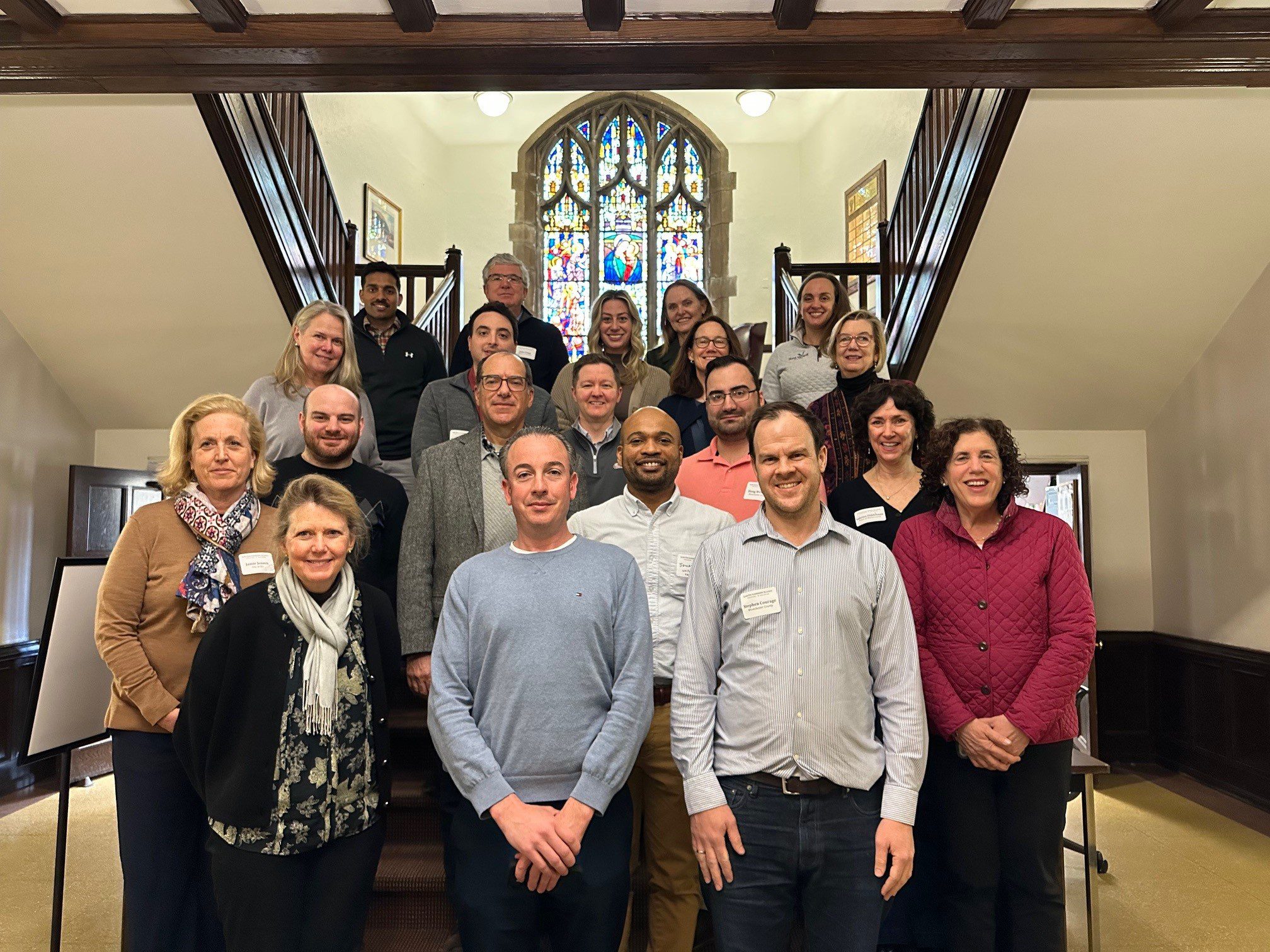
With funding from Long Island Sound Study and support from New York Sea Grant’s Sustainable and Resilient Communities Extension Professionals, Pace University’s Land Use Law Center brought its award-winning Land Use Leadership Alliance Training Program to Westchester municipalities within the Long Island Sound watershed. The training consisted of three full-day workshops held April 1, 8, and 22, 2025 in White Plains, NY to train local leaders on developing balanced strategies for effectively accomplishing policy objectives, particularly focused on land use, flood resilience, and natural resource protection to strengthen community planning and informed decision-making.
22 municipal staff and community leaders, representing 7 different Long Island Sound communities received resilience gap analyses that reviewed their municipality’s current zoning and comprehensive plan language, discussed common issues with their neighbors and built new networks of support, and graduated from the program empowered to plan for a more resilient future for their community and the Long Island Sound region.
If you are interested in learning more and participating in a future LULA training, please email lisresilience@gmail.com.
Training
With funding from Long Island Sound Study and support from New York Sea Grant’s Sustainable and Resilient Communities Extension Professionals, Pace University’s Land Use Law Center brought its award-winning Land Use Leadership Alliance Training Program to Westchester municipalities within the Long Island Sound watershed. The training consisted of three full-day workshops held April 1, 8, and 22, 2025 in White Plains, NY to train local leaders on developing balanced strategies for effectively accomplishing policy objectives, particularly focused on land use, flood resilience, and natural resource protection to strengthen community planning and informed decision-making.
22 municipal staff and community leaders, representing 7 different Long Island Sound communities received resilience gap analyses that reviewed their municipality’s current zoning and comprehensive plan language, discussed common issues with their neighbors and built new networks of support, and graduated from the program empowered to plan for a more resilient future for their community and the Long Island Sound region.
If you are interested in learning more and participating in a future LULA training, please email lisresilience@gmail.com.
Funding
: Apr 25 – Jun 26, 2025
$75,000 - $300,000
NFWF is soliciting proposals for the Northeast Forests and Rivers Fund to restore and sustain healthy rivers, forests, and grasslands that provide habitat for diverse fish and wildlife populations.
Funding
: Apr 25 – Jun 26, 2025
$75,000 - $300,000
NFWF is soliciting proposals for the Northeast Forests and Rivers Fund to restore and sustain healthy rivers, forests, and grasslands that provide habitat for diverse fish and wildlife populations.
Funding
: May 19 – Jul 31, 2025
The NYS Department of State (NYSDOS) is soliciting applications from eligible towns, villages, cities, counties, regional planning entities and not-for-profit organizations to support the creation, or modification of comprehensive plans, area plans, or zoning codes to align with smart growth principals.
Funding
: May 19 – Jul 31, 2025
The NYS Department of State (NYSDOS) is soliciting applications from eligible towns, villages, cities, counties, regional planning entities and not-for-profit organizations to support the creation, or modification of comprehensive plans, area plans, or zoning codes to align with smart growth principals.
Events
The Long Island Sound Study will host a series of public meetings to discuss and finalize the Stewardship Strategy. The Strategy aims to provide a framework in support of the 33 Stewardship Areas of the Initiative. The draft of the Strategy will be shared for public comment March 10 – May 9. View the Draft Strategy here. Comments can be submitted to Cayla Sullivan at Sullivan.Cayla@epa.gov.
The last meeting in the series will be held on June 4th 11 am – 1 pm and will summarize the input and ideas for advancing the Stewardship Strategy!
Events
The Long Island Sound Study will host a series of public meetings to discuss and finalize the Stewardship Strategy. The Strategy aims to provide a framework in support of the 33 Stewardship Areas of the Initiative. The draft of the Strategy will be shared for public comment March 10 – May 9. View the Draft Strategy here. Comments can be submitted to Cayla Sullivan at Sullivan.Cayla@epa.gov.
The last meeting in the series will be held on June 4th 11 am – 1 pm and will summarize the input and ideas for advancing the Stewardship Strategy!
Report
Level of Effort:
This study by the Regional Plan Association assessed how flooding will threaten housing in Long Island, NYC, and Westchester County in the coming decades. It found that by 2040 as many as 1.6 million people could live in areas exposed to flooding and as many as 82,000 housing units could be lost, exacerbating housing shortages. The report includes recommendations for an integrated approach to land use planning and policy initiatives to create resilient communities.
Report
Level of Effort:
This study by the Regional Plan Association assessed how flooding will threaten housing in Long Island, NYC, and Westchester County in the coming decades. It found that by 2040 as many as 1.6 million people could live in areas exposed to flooding and as many as 82,000 housing units could be lost, exacerbating housing shortages. The report includes recommendations for an integrated approach to land use planning and policy initiatives to create resilient communities.
Funding
: May 1 – Aug 15, 2025
$1 million to $10 million per project
This competitive grant program through the NYS Environmental Facilities Cooperation is designed to support flood-prone communities in implementing transformative green infrastructure projects that combat the effects of extreme weather. Eligible projects must utilize green infrastructure (GI) stormwater management practices (SMPs) and/or nature-based solutions to manage combined and/or sanitary sewer overflows and/or mitigate risks associated with extreme weather events.
Funding
: May 1 – Aug 15, 2025
$1 million to $10 million per project
This competitive grant program through the NYS Environmental Facilities Cooperation is designed to support flood-prone communities in implementing transformative green infrastructure projects that combat the effects of extreme weather. Eligible projects must utilize green infrastructure (GI) stormwater management practices (SMPs) and/or nature-based solutions to manage combined and/or sanitary sewer overflows and/or mitigate risks associated with extreme weather events.
Funding
: Mar 10, 2026
EPA WaterTA aims to assist communities with applications for federal funding, quality infrastructure, and reliable water services in partnership with drinking water, wastewater, and stormwater utilities and local government. If your community is facing drinking water, wastewater, or stormwater challenges, you can submit a request for no-cost, direct assistance using the WaterTA Request Form. Please note that WaterTA is not a grant program, nor does it provide direct monetary assistance.
Funding
: Mar 10, 2026
EPA WaterTA aims to assist communities with applications for federal funding, quality infrastructure, and reliable water services in partnership with drinking water, wastewater, and stormwater utilities and local government. If your community is facing drinking water, wastewater, or stormwater challenges, you can submit a request for no-cost, direct assistance using the WaterTA Request Form. Please note that WaterTA is not a grant program, nor does it provide direct monetary assistance.
Events
The 2nd Annual Learning Exchange will bring together current and new grant recipients to highlight completed projects benefiting the Long Island Sound estuary. Organizations will share their work, challenges, and successes via breakout sessions. Attendees will also have opportunities to participate in workshops, network, strengthen ties, and build community. This annual event aims to be a knowledge and tech share of projects within a collaborative framework.
The Target Audience includes:
Events
The 2nd Annual Learning Exchange will bring together current and new grant recipients to highlight completed projects benefiting the Long Island Sound estuary. Organizations will share their work, challenges, and successes via breakout sessions. Attendees will also have opportunities to participate in workshops, network, strengthen ties, and build community. This annual event aims to be a knowledge and tech share of projects within a collaborative framework.
The Target Audience includes:
Mapper
Level of Effort:
A product of Climate Central’s Sea Level Program, Coastal Risk Finder allows users to get local flood projections, understand who and what is at risk in their communities, and learn about solutions for coastal states, counties, cities, towns, congressional districts, and state legislative districts in the contiguous U.S., with more to come. Users can download data and graphics to further their local adaptation and communication efforts related to coastal flooding. Coastal Risk Finder includes detailed briefs on adaptation efforts in coastal states and territories, providing insights into policies, projects, and key organizations working to mitigate flood risks. By highlighting actionable solutions, we aim to empower communities with the knowledge and tools needed to address coastal flooding challenges.
The accompanying User Guides highlight the most useful features and provide guidance on using the tool for specific applications. A recording of the Launch Webinar featuring expert insights is also available.
Mapper
Level of Effort:
A product of Climate Central’s Sea Level Program, Coastal Risk Finder allows users to get local flood projections, understand who and what is at risk in their communities, and learn about solutions for coastal states, counties, cities, towns, congressional districts, and state legislative districts in the contiguous U.S., with more to come. Users can download data and graphics to further their local adaptation and communication efforts related to coastal flooding. Coastal Risk Finder includes detailed briefs on adaptation efforts in coastal states and territories, providing insights into policies, projects, and key organizations working to mitigate flood risks. By highlighting actionable solutions, we aim to empower communities with the knowledge and tools needed to address coastal flooding challenges.
The accompanying User Guides highlight the most useful features and provide guidance on using the tool for specific applications. A recording of the Launch Webinar featuring expert insights is also available.
Funding
: Mar 27 – May 6, 2025
$100,000 - $10M
The National Coastal Resilience Fund (NCRF) is a national program focused on reducing risks to coastal communities. The NCRF is now soliciting pre-proposals for projects that will create and/or restore natural systems in order to increase protection for communities from coastal hazards, such as storms, sea- and lake-level changes, inundation, and coastal erosion, while improving habitats for fish and wildlife species.
Funding
: Mar 27 – May 6, 2025
$100,000 - $10M
The National Coastal Resilience Fund (NCRF) is a national program focused on reducing risks to coastal communities. The NCRF is now soliciting pre-proposals for projects that will create and/or restore natural systems in order to increase protection for communities from coastal hazards, such as storms, sea- and lake-level changes, inundation, and coastal erosion, while improving habitats for fish and wildlife species.
Resource
Level of Effort:
Use this fact sheet to learn about riparian buffers and how they can be a tool for filtering excess nutrients and sediment from runoff, reducing flood impacts, and providing habitat. Learn more about buffers using this fact sheet. Details include what buffers are, why they are important, best practice recommendations, and design considerations.
Resource
Level of Effort:
Use this fact sheet to learn about riparian buffers and how they can be a tool for filtering excess nutrients and sediment from runoff, reducing flood impacts, and providing habitat. Learn more about buffers using this fact sheet. Details include what buffers are, why they are important, best practice recommendations, and design considerations.
Resource
Level of Effort:
Municipalities are encouraged to use the Sound Ideas for Clean Water brochure in their outreach efforts. The website and brochure outline steps that residents can take to reduce stormwater runoff that can cause pollution and flooding. For more information about this campaign, contact the outreach coordinator for your area (listed here).
Resource
Level of Effort:
Municipalities are encouraged to use the Sound Ideas for Clean Water brochure in their outreach efforts. The website and brochure outline steps that residents can take to reduce stormwater runoff that can cause pollution and flooding. For more information about this campaign, contact the outreach coordinator for your area (listed here).
Funding
: Dec 13 – May 12, 2025
$75,000-$2M
$20 million in funding is available under the Bipartisan Infrastructure Law for projects that will advance the coastal habitat restoration and climate resilience priorities of tribes and underserved communities. Through this funding, NOAA will help support community-driven habitat restoration and build the capacity of tribes and underserved communities to more fully participate in restoration activities.
Funding
: Dec 13 – May 12, 2025
$75,000-$2M
$20 million in funding is available under the Bipartisan Infrastructure Law for projects that will advance the coastal habitat restoration and climate resilience priorities of tribes and underserved communities. Through this funding, NOAA will help support community-driven habitat restoration and build the capacity of tribes and underserved communities to more fully participate in restoration activities.
Funding
: Mar 10 – Apr 4, 2025
Technical Assistance for Municipalities
The Drinking Water Source Protection Program (DWSP2) is a locally led, state-supported program that empowers municipalities to take action to improve and protect their public water sources and surrounding environment. Communities accepted into the program will work with technical assistance providers to develop and initiate implementation of their unique Drinking Water Source Protection Program, leading to actionable steps each municipality can take to protect their drinking water sources now and into the future. DWSP2 is open to all community public drinking water supplies in New York regardless of size or water source.
Funding
: Mar 10 – Apr 4, 2025
Technical Assistance for Municipalities
The Drinking Water Source Protection Program (DWSP2) is a locally led, state-supported program that empowers municipalities to take action to improve and protect their public water sources and surrounding environment. Communities accepted into the program will work with technical assistance providers to develop and initiate implementation of their unique Drinking Water Source Protection Program, leading to actionable steps each municipality can take to protect their drinking water sources now and into the future. DWSP2 is open to all community public drinking water supplies in New York regardless of size or water source.
Funding
: Mar 10 – Apr 11, 2025
Up to $50,000
Municipalities in the Mid-Hudson, Long Island or New York City with median household income equal to or less than $110,000 are eligible for planning grants. Planning grants help communities prepare to apply for financing through EFC’s Clean Water State Revolving Fund. They fund the development of an engineering report, which is required to be eligible for financing. This program helps ensure fiscally sound and well-designed projects are advancing to construction.
Funding
: Mar 10 – Apr 11, 2025
Up to $50,000
Municipalities in the Mid-Hudson, Long Island or New York City with median household income equal to or less than $110,000 are eligible for planning grants. Planning grants help communities prepare to apply for financing through EFC’s Clean Water State Revolving Fund. They fund the development of an engineering report, which is required to be eligible for financing. This program helps ensure fiscally sound and well-designed projects are advancing to construction.
Funding
: Mar 10 – Apr 11, 2025
Up to $3 million
The Green Innovation Grant Program supports projects across New York State that utilize unique EPA-designated green stormwater infrastructure design and create cutting-edge green technologies. Competitive grants are awarded to projects that implement one or more of the following green practices: green stormwater infrastructure, energy efficiency, water efficiency and environmental innovation.
Funding
: Mar 10 – Apr 11, 2025
Up to $3 million
The Green Innovation Grant Program supports projects across New York State that utilize unique EPA-designated green stormwater infrastructure design and create cutting-edge green technologies. Competitive grants are awarded to projects that implement one or more of the following green practices: green stormwater infrastructure, energy efficiency, water efficiency and environmental innovation.
Funding
: Feb 26 – Jun 6, 2025
Minimum grant amount $150,000
Through New York State’s Clean Energy, Clean Water & Green Jobs Bond Act, the Department of State (DOS) is making $15 million available for implementation projects that improve waterfront and watershed resiliency and reduce climate impacts, particularly flooding. Projects should implement a complete or substantially complete LWRP or a complete or substantially complete relevant LWRP Component (including a watershed management plan funded by Department of State). The program prioritizes projects using natural solutions to enhance community resilience while also delivering environmental, economic and social benefits. Eligible applicants are: 1) A village, town, or city located along New York’s coasts or inland waterways 2) A county with the consent and acting on behalf of one or more eligible villages, towns or cities.
Funding
: Feb 26 – Jun 6, 2025
Minimum grant amount $150,000
Through New York State’s Clean Energy, Clean Water & Green Jobs Bond Act, the Department of State (DOS) is making $15 million available for implementation projects that improve waterfront and watershed resiliency and reduce climate impacts, particularly flooding. Projects should implement a complete or substantially complete LWRP or a complete or substantially complete relevant LWRP Component (including a watershed management plan funded by Department of State). The program prioritizes projects using natural solutions to enhance community resilience while also delivering environmental, economic and social benefits. Eligible applicants are: 1) A village, town, or city located along New York’s coasts or inland waterways 2) A county with the consent and acting on behalf of one or more eligible villages, towns or cities.
Funding
: Feb 26 – Jun 6, 2025
Minimum grant amount $300,000
Through New York State’s Clean Energy, Clean Water & Green Jobs Bond Act, the Department of State (DOS) is making $20 million available for habitat restoration, climate resiliency and risk reduction, and stormwater management projects located within the New York State Coastal areas, areas draining into the New York State Coastal area, and/or areas within the Coastal Nonpoint Source boundary (see map). Projects must be identified or implement goals outlined in state, regional, or local management plans/programs/studies. The program prioritizes projects using natural solutions to enhance community resilience while also delivering environmental, economic and social benefits. Eligible applicants include Municipalities (counties, cities, towns, villages, Indian Nations or Tribes recognized by the state or United States), Not-for-Profits, Soil and Water Conservation Districts, and New York State Agencies and Authorities. Projects may include design and construction, or construction.
Funding
: Feb 26 – Jun 6, 2025
Minimum grant amount $300,000
Through New York State’s Clean Energy, Clean Water & Green Jobs Bond Act, the Department of State (DOS) is making $20 million available for habitat restoration, climate resiliency and risk reduction, and stormwater management projects located within the New York State Coastal areas, areas draining into the New York State Coastal area, and/or areas within the Coastal Nonpoint Source boundary (see map). Projects must be identified or implement goals outlined in state, regional, or local management plans/programs/studies. The program prioritizes projects using natural solutions to enhance community resilience while also delivering environmental, economic and social benefits. Eligible applicants include Municipalities (counties, cities, towns, villages, Indian Nations or Tribes recognized by the state or United States), Not-for-Profits, Soil and Water Conservation Districts, and New York State Agencies and Authorities. Projects may include design and construction, or construction.
Funding
: Feb 26 – Jun 6, 2025
$150,000-$10,000,000
$45 million will be made available through the NYSDEC for the RWG Program. The program seeks to build on the success of the Resilient NY program and advance the State’s goal of strengthening water infrastructure and protecting New Yorkers from the impacts of extreme weather. The overall goal of the RWG program is to implement projects that build community resilience to extreme weather events, promote flood risk and ice jam reduction and/or restoration, enhance flood and climate resilience, implement natural and nature-based feature construction, or ecologically sustainable projects while supporting healthy riparian habitats. This funding is for the construction/implementation of projects, not projects exclusively for planning and/or design. The RWG program is open to local governments, Indian Nations, County Soil and Water Conservation Districts, State agencies, and not-for-profit corporations.
Funding
: Feb 26 – Jun 6, 2025
$150,000-$10,000,000
$45 million will be made available through the NYSDEC for the RWG Program. The program seeks to build on the success of the Resilient NY program and advance the State’s goal of strengthening water infrastructure and protecting New Yorkers from the impacts of extreme weather. The overall goal of the RWG program is to implement projects that build community resilience to extreme weather events, promote flood risk and ice jam reduction and/or restoration, enhance flood and climate resilience, implement natural and nature-based feature construction, or ecologically sustainable projects while supporting healthy riparian habitats. This funding is for the construction/implementation of projects, not projects exclusively for planning and/or design. The RWG program is open to local governments, Indian Nations, County Soil and Water Conservation Districts, State agencies, and not-for-profit corporations.
Mapper
Level of Effort:
The US Army Corps of Engineers New England District Disposal Area Monitoring System (DAMOS) Program developed an online mapping tool to facilitate the identification of beneficial use opportunities for dredged material in New England. The tool includes all Federal Navigation Projects that the District anticipates dredging in the next five years as well as beneficial use sites that were catalogued from federal, state, and non-government sources. The tool is an interactive map to allow project proponents and stakeholders to match projects in need of sediment with a local source of available dredged material.
Mapper
Level of Effort:
The US Army Corps of Engineers New England District Disposal Area Monitoring System (DAMOS) Program developed an online mapping tool to facilitate the identification of beneficial use opportunities for dredged material in New England. The tool includes all Federal Navigation Projects that the District anticipates dredging in the next five years as well as beneficial use sites that were catalogued from federal, state, and non-government sources. The tool is an interactive map to allow project proponents and stakeholders to match projects in need of sediment with a local source of available dredged material.
~$300K to $15M
Note: this program has been paused indefinitely.
The Outdoor Recreation Legacy Partnership (ORLP) program was established in 2014 and is funded through the Land and Water Conservation Fund. ORLP is a nationally competitive, dollar-for-dollar matching grant program. It was created to aid disadvantaged, urban communities that lack access to close-by outdoor recreation. Funds can be used for the acquisition and/or development of, or substantial renovation of, public parks and other outdoor recreation spaces.
Entities interested in seeking funding under the ORLP program should contact their State’s Lead Agency (Department of Energy and Environmental Protection for Connecticut; Office of Parks, Recreation, and Historic Preservation for New York) to get details about their state’s process for selecting and submitting projects to the NPS’ national competition.
~$300K to $15M
Note: this program has been paused indefinitely.
The Outdoor Recreation Legacy Partnership (ORLP) program was established in 2014 and is funded through the Land and Water Conservation Fund. ORLP is a nationally competitive, dollar-for-dollar matching grant program. It was created to aid disadvantaged, urban communities that lack access to close-by outdoor recreation. Funds can be used for the acquisition and/or development of, or substantial renovation of, public parks and other outdoor recreation spaces.
Entities interested in seeking funding under the ORLP program should contact their State’s Lead Agency (Department of Energy and Environmental Protection for Connecticut; Office of Parks, Recreation, and Historic Preservation for New York) to get details about their state’s process for selecting and submitting projects to the NPS’ national competition.
Funding
: Dec 26 – Jun 1, 2025
~$300K to $15M
The Outdoor Recreation Legacy Partnership (ORLP) program was established in 2014 and is funded through the Land and Water Conservation Fund. ORLP is a nationally competitive, dollar-for-dollar matching grant program. It was created to aid disadvantaged, urban communities that lack access to close-by outdoor recreation. Funds can be used for the acquisition and/or development of, or substantial renovation of, public parks and other outdoor recreation spaces.
Entities interested in seeking funding under the ORLP program should contact their State’s Lead Agency (Department of Energy and Environmental Protection for Connecticut; Office of Parks, Recreation, and Historic Preservation for New York) to get details about their state’s process for selecting and submitting projects to the NPS’ national competition.
Funding
: Dec 26 – Jun 1, 2025
~$300K to $15M
The Outdoor Recreation Legacy Partnership (ORLP) program was established in 2014 and is funded through the Land and Water Conservation Fund. ORLP is a nationally competitive, dollar-for-dollar matching grant program. It was created to aid disadvantaged, urban communities that lack access to close-by outdoor recreation. Funds can be used for the acquisition and/or development of, or substantial renovation of, public parks and other outdoor recreation spaces.
Entities interested in seeking funding under the ORLP program should contact their State’s Lead Agency (Department of Energy and Environmental Protection for Connecticut; Office of Parks, Recreation, and Historic Preservation for New York) to get details about their state’s process for selecting and submitting projects to the NPS’ national competition.
The Flood Mitigation Assistance Swift Current funding opportunity provides money to help reduce flood damage to
properties that have been repeatedly or severely flooded and are insured through the National Flood Insurance
Program. This funding is available after a major flood disaster is declared by the President.
The Flood Mitigation Assistance Swift Current funding opportunity provides money to help reduce flood damage to
properties that have been repeatedly or severely flooded and are insured through the National Flood Insurance
Program. This funding is available after a major flood disaster is declared by the President.
Report
This factsheet summarizes the findings of a 2022 informal needs assessment of coastal Long Island Sound communities conducted by the Long Island Sound Study’s Sustainable & Resilient Communities (SRC) Working Group Extension Professionals Team. The goal of the needs assessment was to guide future SRC work and to understand: 1) which environmental threats communities are most concerned about, 2) what communities are already doing to address these threats (including their goals and priority projects), 3) what barriers are preventing actions, and 4) what support is needed to overcome those barriers.
Report
This factsheet summarizes the findings of a 2022 informal needs assessment of coastal Long Island Sound communities conducted by the Long Island Sound Study’s Sustainable & Resilient Communities (SRC) Working Group Extension Professionals Team. The goal of the needs assessment was to guide future SRC work and to understand: 1) which environmental threats communities are most concerned about, 2) what communities are already doing to address these threats (including their goals and priority projects), 3) what barriers are preventing actions, and 4) what support is needed to overcome those barriers.
Story Map
Created by UConn CLEAR in partnership with the Long Island Sound Study, this Population and Demographic Story Map explores the land and people in the Long Island Sound Watershed. From Canada down to the northern coast of Long Island, the watershed is a vastly diverse area in both land and people, populated by nearly 9 million people and characterized by farms, forests, urban centers, beaches, marshes and more. This story map showcases how the Sound is an integral part of the lives of those who live, work, and visit the region every day.
Story Map
Created by UConn CLEAR in partnership with the Long Island Sound Study, this Population and Demographic Story Map explores the land and people in the Long Island Sound Watershed. From Canada down to the northern coast of Long Island, the watershed is a vastly diverse area in both land and people, populated by nearly 9 million people and characterized by farms, forests, urban centers, beaches, marshes and more. This story map showcases how the Sound is an integral part of the lives of those who live, work, and visit the region every day.
Funding
: Mar 10 – Mar 12, 2025
$150,000 - $3 million
$15 million is available for municipalities, nonprofits, and State agencies through the Community Reforestation (CoRe) Grant program for tree planting projects that expand, restore and create forested natural areas that serve urban populations. This competitive reimbursement grant program contributes to New York State’s goal to plant 25 million trees by 2033, which will mitigate climate change impacts like extreme heat.
Funding
: Mar 10 – Mar 12, 2025
$150,000 - $3 million
$15 million is available for municipalities, nonprofits, and State agencies through the Community Reforestation (CoRe) Grant program for tree planting projects that expand, restore and create forested natural areas that serve urban populations. This competitive reimbursement grant program contributes to New York State’s goal to plant 25 million trees by 2033, which will mitigate climate change impacts like extreme heat.
$1.5 million
NEIWPCC, in cooperation with the Long Island Sound Study (LISS) National Estuary Program and its partners, is inviting proposals to develop and initiate a long-term and large-scale eelgrass seed dispersal restoration program. Eelgrass meadows are identified as a priority habitat for conservation and restoration in the LISS Comprehensive Conservation and Management Plan for their wide-ranging ecosystem benefits.
The purpose of this program is to advance the restoration of eelgrass meadow habitat in Long Island Sound by employing a long-term, large-scale, and evidence-based approach that is adaptable in the face of a changing climate. The program aims to increase eelgrass meadow extent and density by expanding acreage adjacent to well-established meadows as well as explore establishing new meadows where suitability is high. A priority of the project is to increase gene flow and genetic diversity by using seeds from multiple populations in the restoration areas. Proposals should also incorporate capacity building efforts for seed-based restoration work by forging collaborative partnerships in both New York and Connecticut.
$1.5 million
NEIWPCC, in cooperation with the Long Island Sound Study (LISS) National Estuary Program and its partners, is inviting proposals to develop and initiate a long-term and large-scale eelgrass seed dispersal restoration program. Eelgrass meadows are identified as a priority habitat for conservation and restoration in the LISS Comprehensive Conservation and Management Plan for their wide-ranging ecosystem benefits.
The purpose of this program is to advance the restoration of eelgrass meadow habitat in Long Island Sound by employing a long-term, large-scale, and evidence-based approach that is adaptable in the face of a changing climate. The program aims to increase eelgrass meadow extent and density by expanding acreage adjacent to well-established meadows as well as explore establishing new meadows where suitability is high. A priority of the project is to increase gene flow and genetic diversity by using seeds from multiple populations in the restoration areas. Proposals should also incorporate capacity building efforts for seed-based restoration work by forging collaborative partnerships in both New York and Connecticut.
Report
Level of Effort:
Community-driven relocation describes a situation where a community decides it will relocate,
in whole or in part, to reduce the risk faced by communities and individuals. This Community-Driven Relocation Subcommittee report provides background on community-driven relocation, an
overview of the current federal legal and programmatic landscape, and potential next steps that
Federal agencies can take, as part of a whole-of-government approach, to support communities
contemplating relocation.
Report
Level of Effort:
Community-driven relocation describes a situation where a community decides it will relocate,
in whole or in part, to reduce the risk faced by communities and individuals. This Community-Driven Relocation Subcommittee report provides background on community-driven relocation, an
overview of the current federal legal and programmatic landscape, and potential next steps that
Federal agencies can take, as part of a whole-of-government approach, to support communities
contemplating relocation.
Training
The Long Island Sound Sustainable and Resilient Communities (SRC) Team held our 2024 Annual Workshop virtually as three sessions over two days. Session topics focused on our assistance programs, new regional resilience resources and tools, and a discussion on planning for inundation and different considerations communities may face.
Session 3 – Planning for Inundation was held on Wednesday, December 11th from 10 AM-12 PM. Participants heard from communities and regional entities that are using or considering different aspects of planning for inundation, including buyout programs, land use policies, and community perspectives on retreat/relocation.
Training
The Long Island Sound Sustainable and Resilient Communities (SRC) Team held our 2024 Annual Workshop virtually as three sessions over two days. Session topics focused on our assistance programs, new regional resilience resources and tools, and a discussion on planning for inundation and different considerations communities may face.
Session 3 – Planning for Inundation was held on Wednesday, December 11th from 10 AM-12 PM. Participants heard from communities and regional entities that are using or considering different aspects of planning for inundation, including buyout programs, land use policies, and community perspectives on retreat/relocation.
Training
The Long Island Sound Sustainable and Resilient Communities (SRC) Team held our 2024 Annual Workshop virtually as three sessions over two days. Session topics focused on our assistance programs, new regional resilience resources and tools, and a discussion on planning for inundation and different considerations communities may face.
Session 2 – Resilience Tools was held on Tuesday, December 10th from 1:30-3:30 PM. Participants learned about new Resilience Tools being developed and used throughout coastal Long Island Sound.
Training
The Long Island Sound Sustainable and Resilient Communities (SRC) Team held our 2024 Annual Workshop virtually as three sessions over two days. Session topics focused on our assistance programs, new regional resilience resources and tools, and a discussion on planning for inundation and different considerations communities may face.
Session 2 – Resilience Tools was held on Tuesday, December 10th from 1:30-3:30 PM. Participants learned about new Resilience Tools being developed and used throughout coastal Long Island Sound.
Training
The Long Island Sound Sustainable and Resilient Communities (SRC) Team held our 2024 Annual Workshop virtually as three sessions over two days. Session topics focused on our assistance programs, new regional resilience resources and tools, and a discussion on planning for inundation and different considerations communities may face.
Session 1 – SRC Resilience Assistance Programs was held on Tuesday, December 10th from 10-11:30 AM. Participants learned about our Sustainable and Resilient Communities resilience assistance programs and heard from communities who have successfully utilized them to advance resilience project plans, build capacity, and secure competitive grant funding!
Training
The Long Island Sound Sustainable and Resilient Communities (SRC) Team held our 2024 Annual Workshop virtually as three sessions over two days. Session topics focused on our assistance programs, new regional resilience resources and tools, and a discussion on planning for inundation and different considerations communities may face.
Session 1 – SRC Resilience Assistance Programs was held on Tuesday, December 10th from 10-11:30 AM. Participants learned about our Sustainable and Resilient Communities resilience assistance programs and heard from communities who have successfully utilized them to advance resilience project plans, build capacity, and secure competitive grant funding!
$45k-100k for 1-year projects; $75k-150K for 2-year projects
Partners for Places aims to enhance local capacity to build equitable and sustainable communities in the United States and Canada. These matching awards support the planning and implementing of urban sustainability and green stormwater infrastructure projects.
$45k-100k for 1-year projects; $75k-150K for 2-year projects
Partners for Places aims to enhance local capacity to build equitable and sustainable communities in the United States and Canada. These matching awards support the planning and implementing of urban sustainability and green stormwater infrastructure projects.
$200,000-500,000
The NEP Coastal Watersheds Grant Program is a nationally competitive grants program designed to support projects that address urgent and challenging issues threatening the well-being of estuaries within the 28 NEP boundary areas.
$200,000-500,000
The NEP Coastal Watersheds Grant Program is a nationally competitive grants program designed to support projects that address urgent and challenging issues threatening the well-being of estuaries within the 28 NEP boundary areas.
Funding
: Nov 19 – Mar 21, 2025
The Climate Smart Communities Initiative (CSCI) provides funding, expertise, training, and other resources to help communities advance their climate resilience plans and projects while also developing the strategies and capacities that communities nationwide will need as climate impacts intensify.
Funding
: Nov 19 – Mar 21, 2025
The Climate Smart Communities Initiative (CSCI) provides funding, expertise, training, and other resources to help communities advance their climate resilience plans and projects while also developing the strategies and capacities that communities nationwide will need as climate impacts intensify.
Funding
: Oct 18 – Jan 17, 2025
The Ida Homeowner Repair and Reimbursement Program (IHRR), through NYS Homes and Community Renewal, provides funding to home owners to repair damage caused by Hurricane Ida in 2021. Available assistance includes: 1) Reimbursement for the cost of repairs, reconstruction, and/or elevation completed and paid for out-of-pocket prior to IHRR application (includes costs paid for using private loans) 2) Grants to repair remaining damage caused by the storm, and 3) Reimbursement or grant funding for the cost of mitigation measures like elevating mechanicals, floodproofing, flood vents, and sewer backflow valves.
Funding
: Oct 18 – Jan 17, 2025
The Ida Homeowner Repair and Reimbursement Program (IHRR), through NYS Homes and Community Renewal, provides funding to home owners to repair damage caused by Hurricane Ida in 2021. Available assistance includes: 1) Reimbursement for the cost of repairs, reconstruction, and/or elevation completed and paid for out-of-pocket prior to IHRR application (includes costs paid for using private loans) 2) Grants to repair remaining damage caused by the storm, and 3) Reimbursement or grant funding for the cost of mitigation measures like elevating mechanicals, floodproofing, flood vents, and sewer backflow valves.
Rebuilding American Infrastructure with Sustainability and Equity (RAISE) program provides grants for surface transportation infrastructure projects with significant local or regional impact. The eligibility requirements of RAISE allow project sponsors, including state and local governments, counties, Tribal governments, transit agencies, and port authorities, to pursue multi-modal and multi-jurisdictional projects that are more difficult to fund through other grant programs. The RAISE program was previously known as the Better Utilizing Investments to Leverage Development (BUILD) and Transportation Investment Generating Economic Recovery (TIGER) discretionary grants.
Rebuilding American Infrastructure with Sustainability and Equity (RAISE) program provides grants for surface transportation infrastructure projects with significant local or regional impact. The eligibility requirements of RAISE allow project sponsors, including state and local governments, counties, Tribal governments, transit agencies, and port authorities, to pursue multi-modal and multi-jurisdictional projects that are more difficult to fund through other grant programs. The RAISE program was previously known as the Better Utilizing Investments to Leverage Development (BUILD) and Transportation Investment Generating Economic Recovery (TIGER) discretionary grants.
Events
The Long Island Sound Sustainable and Resilient Communities (SRC) Team is excited to announce that for our 2024 Annual Workshop we are holding a series of virtual sessions over two days focused on our assistance programs, new regional resilience resources and tools, and a discussion on planning for inundation and different considerations communities may face.
Session 3 – Planning for Inundation
Join us on Wednesday, December 11th from 10 AM-12 PM to hear from communities and regional entities that are considering different aspects of planning for inundation, including buyout programs, land use policies, and community perspectives on retreat/relocation.
Events
The Long Island Sound Sustainable and Resilient Communities (SRC) Team is excited to announce that for our 2024 Annual Workshop we are holding a series of virtual sessions over two days focused on our assistance programs, new regional resilience resources and tools, and a discussion on planning for inundation and different considerations communities may face.
Session 3 – Planning for Inundation
Join us on Wednesday, December 11th from 10 AM-12 PM to hear from communities and regional entities that are considering different aspects of planning for inundation, including buyout programs, land use policies, and community perspectives on retreat/relocation.
Events
The Long Island Sound Sustainable and Resilient Communities (SRC) Team is excited to announce that for our 2024 Annual Workshop we are holding a series of virtual sessions over two days focused on our assistance programs, new regional resilience resources and tools, and a discussion on planning for inundation and different considerations communities may face.
Session 2 – Resilience Tools
Join us on Tuesday, December 10th from 1:30-3:30 PM to learn about new Resilience Tools being developed and used throughout coastal Long Island Sound!
Events
The Long Island Sound Sustainable and Resilient Communities (SRC) Team is excited to announce that for our 2024 Annual Workshop we are holding a series of virtual sessions over two days focused on our assistance programs, new regional resilience resources and tools, and a discussion on planning for inundation and different considerations communities may face.
Session 2 – Resilience Tools
Join us on Tuesday, December 10th from 1:30-3:30 PM to learn about new Resilience Tools being developed and used throughout coastal Long Island Sound!
Mapper
Level of Effort:
This site provides federally supported data visualizations coupled with explanations and science education to help communities prepare for challenges that will affect our coastal environments. By showing how sea levels are changing regionally, the site provides a foundation to inform decision-making related to coastal planning, resource management, and emergency operations.
This website is a collaborative effort from The Interagency Task Force on Sea Level Change (DOD, EPA, FEMA, NASA, NOAA, USACE, USAID, and USGS).
Mapper
Level of Effort:
This site provides federally supported data visualizations coupled with explanations and science education to help communities prepare for challenges that will affect our coastal environments. By showing how sea levels are changing regionally, the site provides a foundation to inform decision-making related to coastal planning, resource management, and emergency operations.
This website is a collaborative effort from The Interagency Task Force on Sea Level Change (DOD, EPA, FEMA, NASA, NOAA, USACE, USAID, and USGS).
Events
The Long Island Sound Sustainable and Resilient Communities (SRC) Team is excited to announce that for our 2024 Annual Workshop we are holding a series of virtual sessions over two days focused on our assistance programs, new regional resilience resources and tools, and a discussion on planning for inundation and different considerations communities may face.
Session 1 – SRC Resilience Assistance Programs
Join us on Tuesday, December 10th from 10-11:30 AM to learn about our Sustainable and Resilient Communities resilience assistance programs and hear from communities who have successfully utilized them to advance resilience project plans, build capacity, and/or secure competitive grant funding!
Events
The Long Island Sound Sustainable and Resilient Communities (SRC) Team is excited to announce that for our 2024 Annual Workshop we are holding a series of virtual sessions over two days focused on our assistance programs, new regional resilience resources and tools, and a discussion on planning for inundation and different considerations communities may face.
Session 1 – SRC Resilience Assistance Programs
Join us on Tuesday, December 10th from 10-11:30 AM to learn about our Sustainable and Resilient Communities resilience assistance programs and hear from communities who have successfully utilized them to advance resilience project plans, build capacity, and/or secure competitive grant funding!
Funding
: Aug 26 – Oct 23, 2024
The Rooting Resilience Program will provide funding and technical assistance to community-based projects that build resilience and enhance communities’ abilities to plan and carry out forestry projects. This opportunity is available for projects located in federally designated disadvantaged communities, including urban, suburban, and rural communities in the United States and its territories. Special priority will be given to community-led groups that are seeking federal funding for the first time.
Funding
: Aug 26 – Oct 23, 2024
The Rooting Resilience Program will provide funding and technical assistance to community-based projects that build resilience and enhance communities’ abilities to plan and carry out forestry projects. This opportunity is available for projects located in federally designated disadvantaged communities, including urban, suburban, and rural communities in the United States and its territories. Special priority will be given to community-led groups that are seeking federal funding for the first time.
Guidance Tool
Level of Effort:
FEMA’s National Resilience Guidance document is intended to help all individuals, communities, and organizations understand our nation’s vision for resilience, the key principles that must be applied to strengthen resilience, and the players and systems that contribute to resilience. It also outlines how to strengthen resilience by organizing and engaging people, incorporating resilience concepts into planning efforts, creating change through policies, prioritizing projects and programs, financing resilience efforts, and measuring and evaluating resilience. Finally, the NRG includes a Resilience Maturity Model that illustrates stages in the evolution of a community’s approach to resilience.
Guidance Tool
Level of Effort:
FEMA’s National Resilience Guidance document is intended to help all individuals, communities, and organizations understand our nation’s vision for resilience, the key principles that must be applied to strengthen resilience, and the players and systems that contribute to resilience. It also outlines how to strengthen resilience by organizing and engaging people, incorporating resilience concepts into planning efforts, creating change through policies, prioritizing projects and programs, financing resilience efforts, and measuring and evaluating resilience. Finally, the NRG includes a Resilience Maturity Model that illustrates stages in the evolution of a community’s approach to resilience.
Resource
Level of Effort:
This workbook made by Groundwork Bridgeport provides a thorough but accessible introduction to green stormwater infrastructure. The workbook explains the issues that green infrastructure can help solve, introduces several green infrastructure methods, and then provides definitions, explains why each is uses, and details how to build them.
Resource
Level of Effort:
This workbook made by Groundwork Bridgeport provides a thorough but accessible introduction to green stormwater infrastructure. The workbook explains the issues that green infrastructure can help solve, introduces several green infrastructure methods, and then provides definitions, explains why each is uses, and details how to build them.
Mapper
Level of Effort:
Interactive map with county-level disaster declaration information and Congressional Districts for 2011-2023. Also includes a fact sheet and tables.
Mapper
Level of Effort:
Interactive map with county-level disaster declaration information and Congressional Districts for 2011-2023. Also includes a fact sheet and tables.
Plan
Level of Effort:
National Report with State-based County-level data detailing the experiences of communities as a result of climate change. State reports include eight maps that show where major disasters have occurred, where post-disaster support has been given, where the most socially vulnerable populations reside, and the energy reliability by utility area. It also provides county-level disaster data within State Assembly, Senate, and Congressional district boundaries.
Plan
Level of Effort:
National Report with State-based County-level data detailing the experiences of communities as a result of climate change. State reports include eight maps that show where major disasters have occurred, where post-disaster support has been given, where the most socially vulnerable populations reside, and the energy reliability by utility area. It also provides county-level disaster data within State Assembly, Senate, and Congressional district boundaries.
Funding
: Jul 1 – Aug 30, 2024
$250K - $500K
The second round of grantmaking for the Environmental Justice Data Fund (EJDF) will be supported by a $4 million fund. The EJDF aims to help frontline communities historically underserved and disproportionately impacted by climate change and environmental injustice in the United States use data to address environmental hazards, with special attention to matters regarding air and water quality. The EJDF will support eligible organizations to unlock resources, increase their access to federal infrastructure funding, and advocate for new policies that empower communities to address past environmental harm and pave the way to a more sustainable, climate-resilient future.
Funding
: Jul 1 – Aug 30, 2024
$250K - $500K
The second round of grantmaking for the Environmental Justice Data Fund (EJDF) will be supported by a $4 million fund. The EJDF aims to help frontline communities historically underserved and disproportionately impacted by climate change and environmental injustice in the United States use data to address environmental hazards, with special attention to matters regarding air and water quality. The EJDF will support eligible organizations to unlock resources, increase their access to federal infrastructure funding, and advocate for new policies that empower communities to address past environmental harm and pave the way to a more sustainable, climate-resilient future.
Funding
: Jul 24 – Oct 9, 2024
$100,000 - $1M
The NOAA Marine Debris Program will award up to $7 million through the Bipartisan Infrastructure Law to support the installation of proven marine debris interception technologies, throughout the coastal United States, Great Lakes, territories, and Freely Associated States. Projects will focus on the installation, monitoring, and maintenance of proven marine debris interception technologies that will capture marine debris at or close to known marine debris sources or pathways.
Funding
: Jul 24 – Oct 9, 2024
$100,000 - $1M
The NOAA Marine Debris Program will award up to $7 million through the Bipartisan Infrastructure Law to support the installation of proven marine debris interception technologies, throughout the coastal United States, Great Lakes, territories, and Freely Associated States. Projects will focus on the installation, monitoring, and maintenance of proven marine debris interception technologies that will capture marine debris at or close to known marine debris sources or pathways.
Funding
: Jul 24 – Sep 27, 2024
$1M - $10M
The NOAA Marine Debris Program will award up to $47 million through the Bipartisan Infrastructure Law to support the removal of large marine debris throughout the coastal United States, Great Lakes, territories, and Freely Associated States. These removal projects should focus on large marine debris, including abandoned and derelict vessels, derelict fishing gear, and other debris that is generally unable to be collected by hand.
Funding
: Jul 24 – Sep 27, 2024
$1M - $10M
The NOAA Marine Debris Program will award up to $47 million through the Bipartisan Infrastructure Law to support the removal of large marine debris throughout the coastal United States, Great Lakes, territories, and Freely Associated States. These removal projects should focus on large marine debris, including abandoned and derelict vessels, derelict fishing gear, and other debris that is generally unable to be collected by hand.
Funding
: May 9 – Aug 16, 2024
EPA’s Creating Resilient Water Utilities (CRWU) initiative is offering no-cost climate change risk assessment technical assistance to drinking water, wastewater, and stormwater utilities, as well as other water sector stakeholders. Through this technical assistance process, CRWU will assist approximately 75 water sector utilities / communities in identifying long-term climate change adaptation strategies, as well as potential funding options to implement adaptive measures.
Funding
: May 9 – Aug 16, 2024
EPA’s Creating Resilient Water Utilities (CRWU) initiative is offering no-cost climate change risk assessment technical assistance to drinking water, wastewater, and stormwater utilities, as well as other water sector stakeholders. Through this technical assistance process, CRWU will assist approximately 75 water sector utilities / communities in identifying long-term climate change adaptation strategies, as well as potential funding options to implement adaptive measures.
Mapper
Level of Effort:
5th National Climate Assessment Atlas
To help Americans anticipate how changing climate conditions might affect their homes and businesses, the United States Global Change Research Program conducts a comprehensive review of scientific information on climate trends and impacts in our country every four years. The 5th National Climate Assessment — often referred to as NCA5 — was published in 2023.
This Interactive Atlas provides access to data compiled for NCA5. Browse the collection for your own investigations, or access the data for custom analysis and mapping.
Mapper
Level of Effort:
5th National Climate Assessment Atlas
To help Americans anticipate how changing climate conditions might affect their homes and businesses, the United States Global Change Research Program conducts a comprehensive review of scientific information on climate trends and impacts in our country every four years. The 5th National Climate Assessment — often referred to as NCA5 — was published in 2023.
This Interactive Atlas provides access to data compiled for NCA5. Browse the collection for your own investigations, or access the data for custom analysis and mapping.
Report
Level of Effort:
The Fifth National Climate Assessment is the US Government’s preeminent report on climate change impacts, risks, and responses. It is a congressionally mandated interagency effort that provides the scientific foundation to support informed decision-making across the United States.
Report
Level of Effort:
The Fifth National Climate Assessment is the US Government’s preeminent report on climate change impacts, risks, and responses. It is a congressionally mandated interagency effort that provides the scientific foundation to support informed decision-making across the United States.
Funding
: Jul 9 – Sep 30, 2024
up to $2M for Planning, $5-$100M for Capital Construction
The Reconnecting Communities Pilot Program, available through the Office of the Secretary of Transportation and US DOT, makes awards on a competitive basis for projects that reconnect communities by removing, retrofitting, or mitigating highways or other transportation facilities that create barriers to community connectivity, including to mobility, access, or economic development.
Funding
: Jul 9 – Sep 30, 2024
up to $2M for Planning, $5-$100M for Capital Construction
The Reconnecting Communities Pilot Program, available through the Office of the Secretary of Transportation and US DOT, makes awards on a competitive basis for projects that reconnect communities by removing, retrofitting, or mitigating highways or other transportation facilities that create barriers to community connectivity, including to mobility, access, or economic development.
The New York Community Trust, which brings together the New York Community Trust, The Long Island Community Foundation, and Westchester Community Foundation offers competitive grants to nonprofits to support projects in a number of areas across New York City, Westchester, Long Island and beyond. For work on Westchester, proposals are accepted from nonprofits during the specified timeframes.
The New York Community Trust, which brings together the New York Community Trust, The Long Island Community Foundation, and Westchester Community Foundation offers competitive grants to nonprofits to support projects in a number of areas across New York City, Westchester, Long Island and beyond. For work on Westchester, proposals are accepted from nonprofits during the specified timeframes.
Funding
: Nov 1 – Mar 31, 2025
$75,000 - $350,000
EPA has selected Fordham University to serve as pass-through entity for the Thriving Communities Grants for New York, New Jersey, Puerto Rico, and the US Virgin Islands. Thriving Communities subgrants will be distributed to support capacity building in communities affected by environmental or public health issues to eligible applicants. Applications will be accepted on a rolling basis until March 31, 2025.
Funding
: Nov 1 – Mar 31, 2025
$75,000 - $350,000
EPA has selected Fordham University to serve as pass-through entity for the Thriving Communities Grants for New York, New Jersey, Puerto Rico, and the US Virgin Islands. Thriving Communities subgrants will be distributed to support capacity building in communities affected by environmental or public health issues to eligible applicants. Applications will be accepted on a rolling basis until March 31, 2025.
Guidance Tool
Level of Effort:
The permitting process for shoreline modification projects is complex and it can be daunting to know where to begin. Check out New York Sea Grant’s NEW Guide to Permitting Shoreline Modification Projects in New York’s Tidal Waters for an overview of the process informed by federal, state, and local perspectives. It is intended for permit applicants using the New York State Joint Application for shoreline construction or modification, ranging from major to minor projects such as construction of floating docks, installing natural and nature-based features, bulkhead repair, development near a wetland, dredging, and invasive species removal.
Guidance Tool
Level of Effort:
The permitting process for shoreline modification projects is complex and it can be daunting to know where to begin. Check out New York Sea Grant’s NEW Guide to Permitting Shoreline Modification Projects in New York’s Tidal Waters for an overview of the process informed by federal, state, and local perspectives. It is intended for permit applicants using the New York State Joint Application for shoreline construction or modification, ranging from major to minor projects such as construction of floating docks, installing natural and nature-based features, bulkhead repair, development near a wetland, dredging, and invasive species removal.
Website
Level of Effort:
The New York State Climate Impacts Assessment explores current and future climate change impacts to New York State communities, ecosystems, and economy. The New York State Energy Research and Development Authority (NYSERDA) assembled more than 250 New York–based, national, and Indigenous climate science experts and representatives from diverse communities and industries across the state to contribute to this assessment. The findings are intended to help residents, businesses, and decision-makers across the state plan and prepare for climate change impacts.
Website
Level of Effort:
The New York State Climate Impacts Assessment explores current and future climate change impacts to New York State communities, ecosystems, and economy. The New York State Energy Research and Development Authority (NYSERDA) assembled more than 250 New York–based, national, and Indigenous climate science experts and representatives from diverse communities and industries across the state to contribute to this assessment. The findings are intended to help residents, businesses, and decision-makers across the state plan and prepare for climate change impacts.
Funding
: Feb 28 – May 28, 2024
$200,000 - $3,000,000
The Inflation Reduction Act of 2022 provides EPA with $3 billion to fund zero-emission port equipment and infrastructure as well as climate and air quality planning at U.S. ports. This new funding program will build on EPA’s Ports Initiative that helps our nation’s ports, a critical part of our infrastructure and supply chain, address public health and environmental impacts on surrounding communities. EPA has announced two separate Notices of Funding Opportunities to disburse the allocated $3 billion – the Zero-Emission Technology Deployment Competition AND the Climate and Air Quality Planning Competition.
Funding
: Feb 28 – May 28, 2024
$200,000 - $3,000,000
The Inflation Reduction Act of 2022 provides EPA with $3 billion to fund zero-emission port equipment and infrastructure as well as climate and air quality planning at U.S. ports. This new funding program will build on EPA’s Ports Initiative that helps our nation’s ports, a critical part of our infrastructure and supply chain, address public health and environmental impacts on surrounding communities. EPA has announced two separate Notices of Funding Opportunities to disburse the allocated $3 billion – the Zero-Emission Technology Deployment Competition AND the Climate and Air Quality Planning Competition.
Resources & Tools